Creating Age-Appropriate Activities as a Babysitter | Babysitting Course UK
- School of Health Care
- Education
- 2025-10-24 16:11:43
- 1068K
Being a great babysitter isn’t just about watching over children—it’s about engaging them in fun, educational, and safe activities that suit their age and personality. Every age group has different needs and levels of curiosity, and the best babysitters know how to adapt to those differences. Whether you’re caring for a toddler who’s learning to explore the world or an older child who loves creativity and independence, planning the right activities makes your time together enjoyable for both of you. Developing this skill not only impresses parents but also helps build lasting trust. If you want to become more confident in this role, consider completing a babysitting course uk to learn how to plan age-appropriate activities and understand children’s developmental stages better.
Understanding the Importance of Age-Appropriate Activities
Choosing the right activity is about more than keeping children busy—it’s about supporting their growth and ensuring their safety. A toddler’s attention span is very different from that of a 9-year-old, and so are their motor and cognitive skills. For example, a puzzle might excite a school-aged child but could frustrate a toddler who lacks the dexterity to complete it.
When you tailor activities to match the child’s age, you help develop their social, emotional, and problem-solving skills in an enjoyable way. Parents notice when their babysitter makes that extra effort, and it’s often the reason they keep calling you back. A structured babysitting course teaches these child development principles in depth, giving you a professional edge over untrained sitters.
Activities for Infants (0–2 Years)
Babysitting infants requires patience, gentleness, and close attention. Since babies are just beginning to explore the world, their activities should focus on sensory stimulation and comfort. Singing lullabies, showing colorful toys, or reading soft picture books are excellent choices.
Tummy time is another simple yet important activity—it strengthens neck and shoulder muscles and helps with motor development. Always ensure a clean and safe environment, as babies tend to explore by touching or putting things in their mouths.
Activities for Toddlers (2–4 Years)
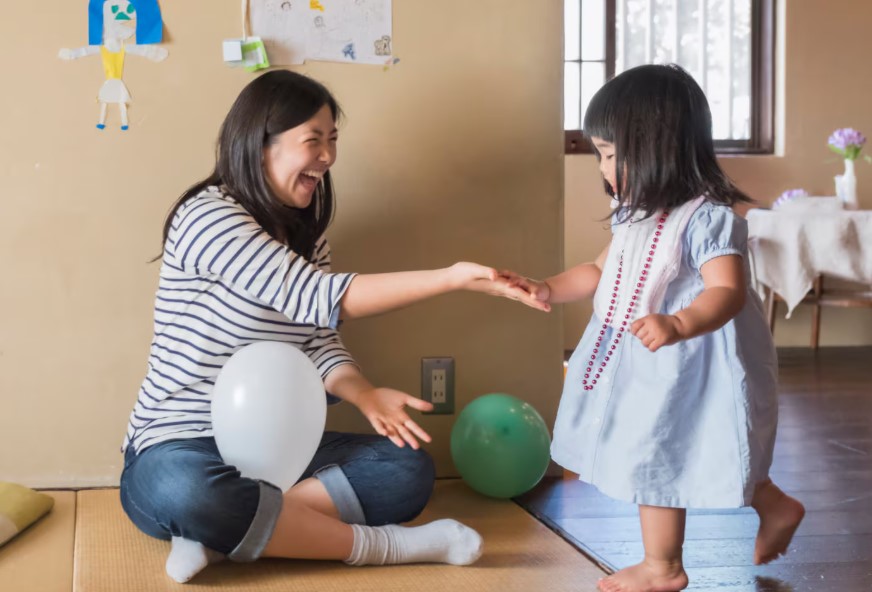
Toddlers are full of energy and curiosity. They love exploring textures, colors, and sounds, so sensory play activities are ideal. Try simple games like stacking blocks, finger painting, or playing with non-toxic playdough. Outdoor play—like running, jumping, or chasing bubbles—helps burn off energy and improve coordination.
At this age, children also start developing communication skills. Reading short storybooks aloud, singing nursery rhymes, and talking to them during playtime strengthen their language and comprehension.
Activities for Preschoolers (4–6 Years)
Preschoolers love imaginative play and learning new things. Activities like arts and crafts, building forts, or role-playing games (“playing house,” “grocery store,” or “doctor”) are excellent ways to engage their creativity. They also enjoy simple educational games that teach counting, colors, or shapes.
Outdoor play is still essential at this age. A simple scavenger hunt or nature walk can keep them entertained for hours while helping them learn about the environment. Preschoolers are also ready for structured activities like board games or puzzles designed for young children.
A good babysitter knows how to balance fun and learning, ensuring safety while encouraging curiosity. The babysitting course from School of Health Care offers insight into child psychology and age-appropriate learning activities, which can help you plan sessions that parents truly appreciate.
Activities for School-Age Children (6–9 Years)
Children in this age group are full of ideas and independence. They enjoy activities that allow creativity and challenge their minds. Arts and crafts, science experiments, cooking simple snacks, or organizing mini talent shows are great options.
School-aged children also benefit from structured play. You can help with homework and then reward them with fun games like charades or board games. If you babysit regularly, consider planning themed evenings like “movie night” or “build-a-pizza” night to keep things exciting.
They’re also learning teamwork and cooperation, so multiplayer games or team challenges work well. Understanding what motivates children in this age group is part of what makes a babysitter truly stand out—and these concepts are taught in depth in a babysitting course uk.
Activities for Preteens (10–12 Years)
Preteens are at an interesting stage—they’re independent yet still enjoy attention and engagement. They often prefer creative or skill-based activities such as baking, arts and crafts, journaling, or learning simple DIY projects.
You can also plan outdoor activities like biking, basketball, or organizing a mini obstacle course if space allows. Preteens appreciate being treated with respect, so involve them in deciding what to do. Ask questions like, “What do you feel like doing today?” to make them feel included.
Avoid activities that feel too “childish” to them, and instead, focus on hobbies that build confidence and responsibility. For babysitters who want to build strong connections with this age group, training through a babysitting course provides practical tips for understanding preteen behavior and emotional development.
Tips for Planning Activities That Work
While every age group has its own set of ideal activities, some universal tips can make your babysitting sessions smoother. Always consider safety first—choose activities appropriate to the child’s ability and environment. Avoid small objects for younger children and supervise all activities involving art supplies, scissors, or outdoor play.
Secondly, be flexible. Children’s moods can change quickly, so have a few backup ideas ready in case one activity doesn’t hold their interest. Encourage participation, creativity, and imagination, rather than aiming for perfection.
Finally, always get parents’ approval before introducing new activities, especially those involving mess or food. Professional babysitters who complete a babysitting course uk learn not only what activities to plan but also how to adapt them for different home settings and family rules.
Conclusion
Creating age-appropriate activities as a babysitter is one of the most rewarding parts of childcare. It allows you to connect with children, support their growth, and ensure they have a positive, memorable experience while their parents are away. The secret lies in balancing fun, safety, and learning—all tailored to the child’s developmental stage.
If you’re serious about becoming a skilled, professional babysitter, investing in a babysitting course uk is an excellent step. It teaches you how to engage children effectively, handle challenging situations, and design activities that both parents and kids will love. With the right training and creativity, you can turn babysitting into not just a job—but a fulfilling and respected career.
1068 people like this



About Premium Author
This post has been authored and published by one of our premium contributors, who are experts in their fields. They bring high-quality, well-researched content that adds significant value to our platform.