How Technology is Transforming Events and Web Experiences
- DigitalMonk 123
- Technology
- 2026-02-16 12:26:21
- 1124K
Technology continues to reshape the way businesses operate and how consumers interact with products and services. From digital platforms to interactive event solutions, modern innovation focuses on engagement, efficiency, and seamless experiences. Organizations across industries are investing in software and connected systems to create more immersive and productive environments.
The Rise of Digital Solutions in Events
Events have long been a critical way for businesses to engage customers and build brand awareness. Today, technology is making events more interactive and memorable. Interactive displays, live streaming, and connected devices enhance attendee experiences by offering real-time engagement and personalization. These digital solutions provide actionable insights for organizers and create richer experiences for participants.
Enhancing Engagement with Interactive Tools
Interactive technology allows attendees to become active participants rather than passive observers. Touchscreen kiosks, motion-sensitive installations, and digital signage encourage interaction and improve engagement. One of the most popular innovations in event technology is photo booth software, which allows users to capture, customize, and instantly share photos. Modern photo booth platforms often include branded overlays, social media integration, and cloud storage, making them both entertaining and a valuable marketing tool for businesses.
Automation and Efficiency in Event Management
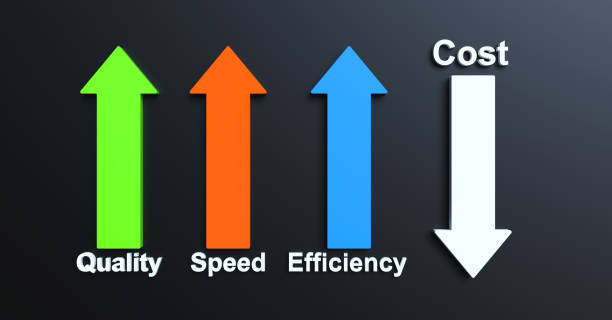
Automation has transformed how events are organized and managed. Registration, check-in, and feedback collection can now be handled digitally, reducing errors and freeing staff to focus on higher-value tasks. Automated systems also improve logistics, including inventory tracking, session scheduling, and attendee notifications. By reducing manual processes, organizations can host larger, more complex events while maintaining a high level of attendee satisfaction.
Connectivity and Integrated Systems
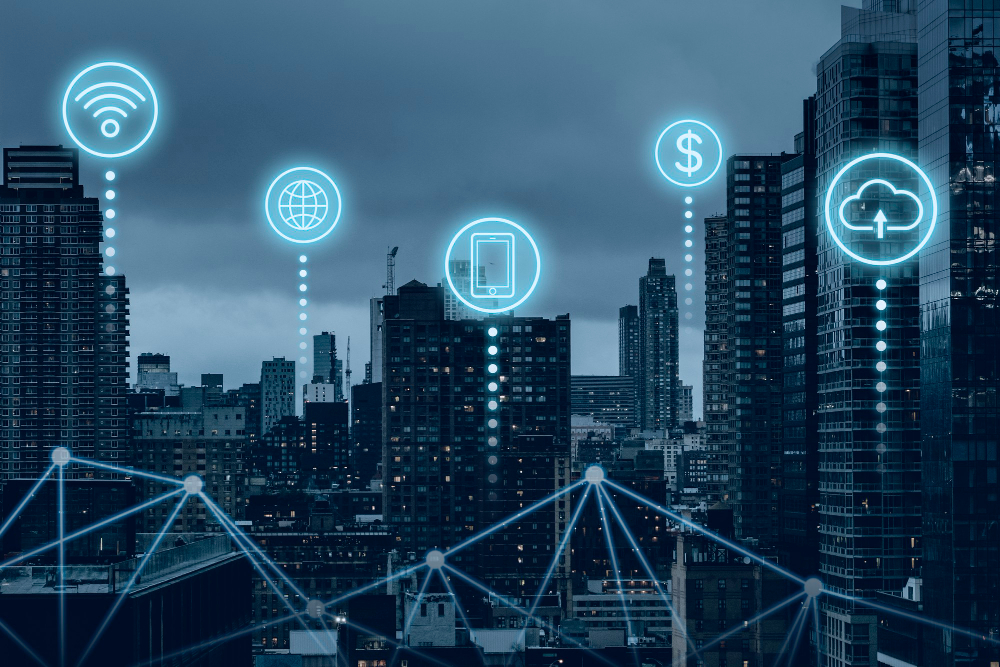
Connected systems are essential for modern events and web applications. Devices and platforms can communicate with each other to synchronize content, track usage, and provide real-time feedback. In events, connectivity allows digital signage, attendee apps, and interactive kiosks to share data, creating a cohesive experience. For web applications, connectivity ensures consistent updates, integrated analytics, and smooth user interactions across devices and locations.
Data-Driven Decision Making
Data has become a cornerstone of technology-driven business strategies. By analyzing attendee behavior at events or user interactions on web platforms, organizations can make informed decisions to optimize performance and engagement. Insights from interactive systems and digital dashboards help businesses identify trends, measure ROI, and tailor future experiences based on user preferences. Data-driven approaches also enable predictive analytics, improving planning and operational efficiency.
Security and Reliability
With increased connectivity comes the responsibility of protecting data and ensuring system reliability. Interactive event systems and web applications often handle sensitive user information, payment details, and operational metrics. Implementing strong security measures, including encryption, authentication, and access controls, is essential to prevent unauthorized access and maintain trust. Reliable system design ensures that applications perform consistently without interruptions, which is critical for both user satisfaction and business reputation.
Personalization in Modern Technology
Personalization is a key trend in event technology and web development. Users expect systems to adapt to their preferences and behavior. Interactive platforms can provide customized experiences, from personalized photo booth overlays to dynamic web content tailored to individual users. Personalization increases engagement, improves satisfaction, and strengthens loyalty by creating experiences that feel relevant and meaningful to the audience.
Web Development for Seamless Digital Experiences
While hardware solutions enhance physical events, digital platforms form the backbone of modern business operations. Websites, dashboards, and web applications are essential for engaging users, delivering content, and managing internal workflows. High-performance web development is crucial for platforms that handle dynamic content, multiple users, and real-time data. Organizations looking to build robust, scalable web solutions often choose to hire Next.js developer to leverage server-side rendering, optimized routing, and fast, responsive interfaces. Developers skilled in Next.js can create seamless user experiences that improve retention, performance, and security.
Future Trends in Event and Web Technology
The future of event and web technology will be shaped by artificial intelligence, machine learning, and augmented reality. AI-powered tools can analyze user behavior, predict preferences, and optimize experiences in real time. Augmented and virtual reality will offer immersive experiences, enhancing both live events and online platforms. Additionally, low-latency connectivity and edge computing will ensure responsive systems capable of delivering high-quality interactive content without delays.
Conclusion
By integrating hardware, software, and connectivity, organizations can create intelligent, efficient, and immersive experiences that meet the expectations of modern audiences. As technology continues to evolve, the convergence of digital platforms and interactive systems will define the next generation of business and user engagement.
1124 people like this


About Premium Author
This post has been authored and published by one of our premium contributors, who are experts in their fields. They bring high-quality, well-researched content that adds significant value to our platform.