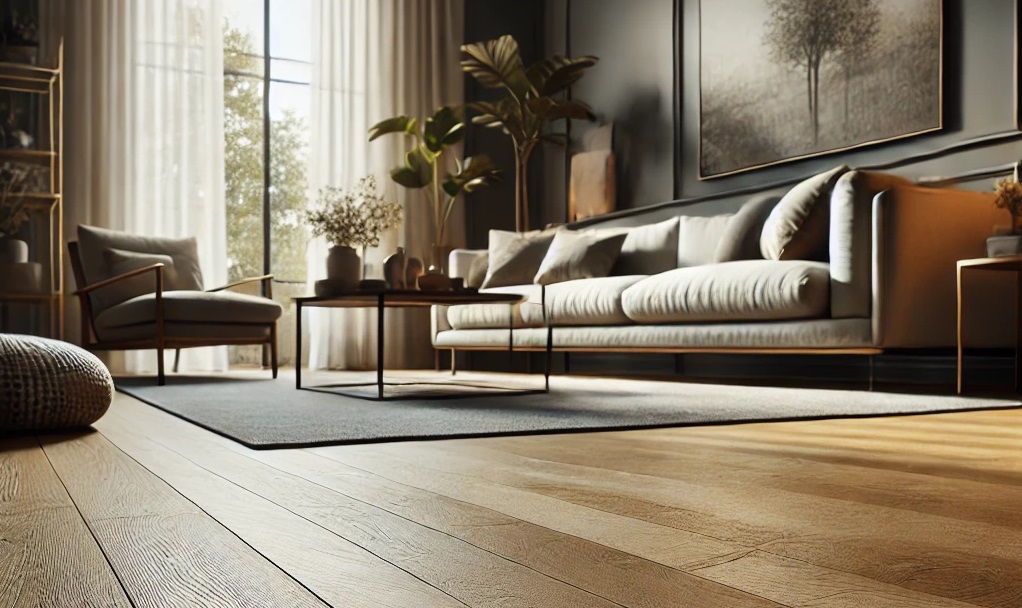
How to Pick the Perfect Floor for a Stylish Living Room
- Floorsave Online
- Lifestyle
- 2026-03-25
- 1184K
The living room is often the most used space. Family time happens here every day. Guests usually notice the floor quickly. A good floor improves the entire room's appearance. The wrong one may feel dull quickly. Many homeowners want both style and durability. Flooring experts suggest simple comparisons before buying. For example, some people choose oak laminate flooring. It offers warmth and practical everyday performance.
Selecting flooring becomes easier with clear guidance. Small details often make the biggest difference.
Why Does the Living Room Floor Influence the Entire Space?
The floor forms the base of the room design. Furniture, lighting, and décor follow its tone. A strong surface keeps the room looking fresh. Scratches or stains quickly reduce visual appeal. Interior professionals often observe this during home renovations. Good flooring improves both comfort and long-term value.
Neutral shades remain very popular in modern homes. Many designers suggest grey engineered flooring. The colour blends naturally with different interior themes. A balanced floor helps every element work together.
How Should Durability Guide Your Flooring Choice?
Durability should always come first for living rooms. This area handles daily walking and furniture movement. Before choosing flooring, consider these practical points:
- Check scratch resistance carefully.
- Look for strong surface coatings.
- Think about pets or children at home.
- Review warranty information clearly.
Professional installers often highlight these simple checks. Ignoring durability usually leads to early replacement. Some homeowners prefer unfinished wood flooring. This option allows a custom finish later.
The finish improves strength and personal style. Reliable materials reduce future repair worries.
What Role Does Colour Play in Living Room Style?
Colour changes the atmosphere of any space. Light shades often make rooms feel larger. Dark shades add warmth and elegance. Choosing the right balance is important. Interior stylists usually start with the floor shade. Furniture colours follow afterwards.
A warm visual tone often comes from oak laminate flooring. Its natural grain brings subtle character. Grey tones remain popular in contemporary interiors. Many homeowners install grey engineered flooring. The colour works well with many furniture styles. A thoughtful colour choice builds harmony across the room.
Why Should Maintenance Affect Your Flooring Decision?
Maintenance determines long-term satisfaction with flooring. Some materials demand regular polishing or sealing. Busy households usually prefer easier maintenance options. Consider these quick checks before selecting flooring:
- Ask about cleaning requirements.
- Choose moisture-resistant surfaces.
- Confirm protective coatings exist.
- Avoid delicate finishes for busy homes.
Many installers suggest durable surfaces for living rooms. They reduce cleaning time significantly. A practical choice can be oak laminate flooring. Its surface is normally cleaned with simple sweeping. Natural wood options also work when sealed properly.
For example, unfinished wood flooring allows protective finishing. This treatment improves durability and appearance. Planning maintenance early prevents long-term frustration.
How Can Room Size Influence Flooring Selection?
Room size affects how the flooring appears. Small rooms benefit from lighter shades. Large rooms handle darker surfaces comfortably. Floor direction also affects visual space.
Long planks often make rooms appear wider. Interior designers study these details carefully.
Neutral surfaces help maintain visual balance. For example, grey engineered flooring works in many layouts. Its tone rarely dominates the overall décor. Natural textures also gently soften large spaces. Wood patterns create warmth without overwhelming the design. Correct flooring proportions improve the room’s overall balance.
How Should Flooring Complement Furniture and Décor?
Furniture and flooring should visually support each other. Strong contrast often creates a stylish interior. Light furniture stands out on darker floors. Dark sofas look better on lighter surfaces. Designers sometimes use unfinished wood flooring for flexibility. It can be stained later if needed.
This allows the floor to be matched with existing furniture. Modern living rooms often mix fabrics and natural materials. Wood textures help create a relaxed environment. Another adaptable choice remains grey engineered flooring. Its neutral tone suits many décor changes. Flexible flooring keeps interiors stylish for longer.
What Practical Tips Help Homeowners Choose Confidently?
Many homeowners rush the flooring decision. Taking time usually leads to better results. Professionals often suggest these simple steps:
- Always request flooring samples first.
- Place samples under natural light.
- Compare texture and colour carefully.
- Think about long-term lifestyle needs.
Retail specialists notice that samples reduce mistakes. Seeing materials in real lighting helps a great deal. A balanced option remains oak laminate flooring. It offers durability with a natural appearance. Many households appreciate its simple maintenance routine. Thoughtful comparison helps avoid costly replacements later.
Conclusion
Choosing the right living room floor requires simple planning. Durability, colour, and maintenance should guide decisions. Comfort and visual balance also matter greatly. Many homeowners trust oak laminate flooring for durability. Neutral tones like grey engineered flooring support flexible décor. Custom options such as unfinished wood flooring offer design freedom. When these factors align, the living room feels complete.
1184 people like this



About Premium Author
This post has been authored and published by one of our premium contributors, who are experts in their fields. They bring high-quality, well-researched content that adds significant value to our platform.