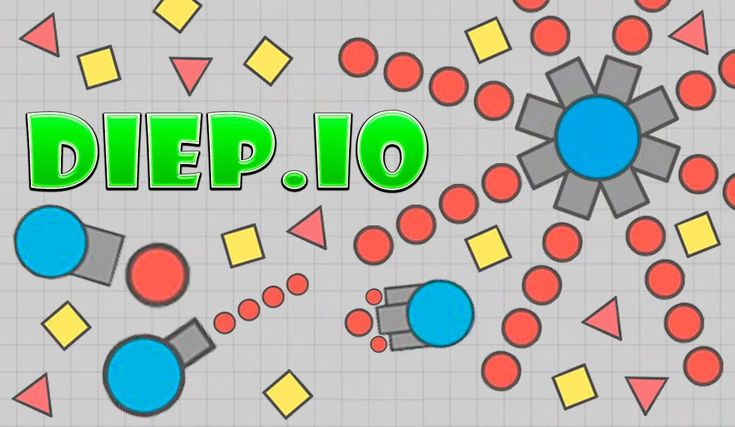
i-opened-agario-out-of-curiosity-and-stayed-for-the-chaos
- James Middleton
- Technology
- 2026-02-25 11:44:38
- 1135K
You ever click on a game just to see what the hype is about?
That was me with agario.
No expectations. No big plan. Just, “Let’s see what this is.”
Fast forward an hour later, and I’m fully invested in the survival of a digital circle like it’s my full-time job.
I’ve played a lot of casual games over the years — mobile puzzles, strategy titles, quick browser distractions — but there’s something uniquely gripping about this one. It’s simple in design, ruthless in execution, and oddly emotional once you get into it.
Let me tell you why.
The Calm Before the First Elimination
You spawn small. Tiny, actually.
You float around eating pellets. It feels harmless. Peaceful even.
There’s no music screaming urgency at you. No flashing warnings.
Then a giant cell slides into view.
And just like that, you’re gone.
The first few eliminations are almost funny. They happen so fast you barely process them. You respawn. Try again. Get eaten again.
But somewhere between the fifth and tenth round, something shifts.
You start noticing patterns.
You realize bigger players move differently.
You see how the map flows.
You begin anticipating danger before it fully appears on screen.
That’s when it stops being random and starts feeling strategic.
The Unexpected Comedy of It All
For such a competitive environment, agario creates some ridiculously funny moments.
One time, I was minding my business near the edge of the map, carefully farming pellets.
Two massive players started fighting nearby.
They split aggressively, fragments flying everywhere.
I wasn’t even trying to engage — I just drifted through the debris.
Suddenly, I doubled in size.
I felt like someone who accidentally walked into the VIP section.
Then there are the moments when your confidence betrays you.
I once chased a smaller player for what felt like forever. I calculated the split distance in my head.
“This is perfect,” I thought.
It was not perfect.
I split slightly too early.
They escaped.
And a larger player absorbed both of my fragments in one smooth motion.
The whole thing lasted maybe three seconds.
I just laughed at how quickly overconfidence turns into elimination.
The Frustration of the “Almost”
Quick losses are easy to brush off.
But the “almost” moments? Those hit differently.
There was one match where everything felt aligned.
I was calm. Focused. Patient.
I climbed into the leaderboard for the first time that day.
For several minutes, I maintained control. I avoided unnecessary risks. I didn’t chase every opportunity.
Then I hesitated near a virus cluster.
Just a fraction of a second too long.
A perfectly timed split from another player ended my run instantly.
I sat there staring at the screen thinking, “I was so close.”
And that feeling — that near-success — is incredibly motivating.
Because it proves you’re improving.
The Real Enemy: Greed
If I had to be honest about my biggest weakness, it’s not lack of skill.
It’s impatience.
Every time I lose a strong position, it’s because I decided to push just a little too far.
I see a slightly smaller player and think:
“I can reach them.”
“They won’t expect this split.”
“It’s safe.”
But agario rarely rewards impulsive decisions.
There’s almost always another player just off-screen waiting for you to overextend.
The game punishes greed immediately — and consistently.
And that honesty is what makes it addictive.
The Tension of Being Mid-Sized
Here’s something I didn’t expect: the most stressful phase isn’t being tiny.
When you’re small, your goal is simple — survive.
When you’re massive, you control space.
But being mid-sized?
That’s the pressure zone.
You’re big enough to matter.
Big enough to attract attention.
But not big enough to feel secure.
Bigger players stalk you.
Smaller players tempt you.
The map feels crowded.
This is where decision-making becomes everything.
Do you farm safely?
Do you risk a split?
Do you retreat to a quieter area?
I’ve had moments where I was physically leaning closer to my screen during this stage.
That’s how immersive it gets.
The Match That Changed My Approach
One evening, after too many greedy losses, I decided to change my strategy.
No aggressive splits unless absolutely necessary.
No chasing near the center.
No emotional decisions.
Just awareness and patience.
And it worked.
I grew steadily, avoided chaos, and climbed the leaderboard slowly but confidently.
When I eventually got eliminated, it wasn’t because I rushed.
It was because someone executed a smart, well-timed move.
And instead of frustration, I felt respect.
That’s when I realized something important:
Improvement in agario isn’t about reaction speed — it’s about discipline.
Why I Keep Coming Back
There are no upgrades.
No permanent progression.
No skill trees.
Every match resets you to zero.
And that reset is powerful.
It removes excuses.
You can’t blame gear.
You can’t blame imbalance.
You can’t blame grinding.
You either made a good decision — or you didn’t.
That clean feedback loop makes every new round feel like a fresh opportunity.
And that’s why I keep clicking “Play Again.”
What This Tiny Circle Game Taught Me
As simple as it looks, agario quietly reinforces a few lessons:
Patience beats aggression.
Awareness beats speed.
Greed ruins progress.
Starting over isn’t failure — it’s part of growth.
It strips competition down to pure fundamentals.
1135 people like this


About Premium Author
This post has been authored and published by one of our premium contributors, who are experts in their fields. They bring high-quality, well-researched content that adds significant value to our platform.