Client Data Management System Guide for Business Owners
- Muhamamd Irfan
- Real Estate
- 2026-09-26 20:34:43
- 1421K
As businesses expand and clients' data piles up, client information management becomes more difficult. Information can get spread out in spreadsheets, email, documents, and individual business applications. This makes it difficult for teams to locate information in an accurate and prompt fashion. Businesses too require steady data to communicate with, report on, and use for day-to-day business operations. So, having all client information in one organized system can streamline the process and minimize wasteful data management issues.
When it comes to software selection, there's more than just a list of features to be checked off when considering software from various providers. The client data management system should be tailored towards the information required, security expectations, everyday operations, integrations, and future expansion of your business. It should provide simple access to client records and allow for easy organization, updating, and review. An easy-to-use and intuitive interface should be the case for the employees. Pricing, migration and documentation, scalability, and future needs should also be assessed prior to making a decision.
What Is a Client Data Management System?
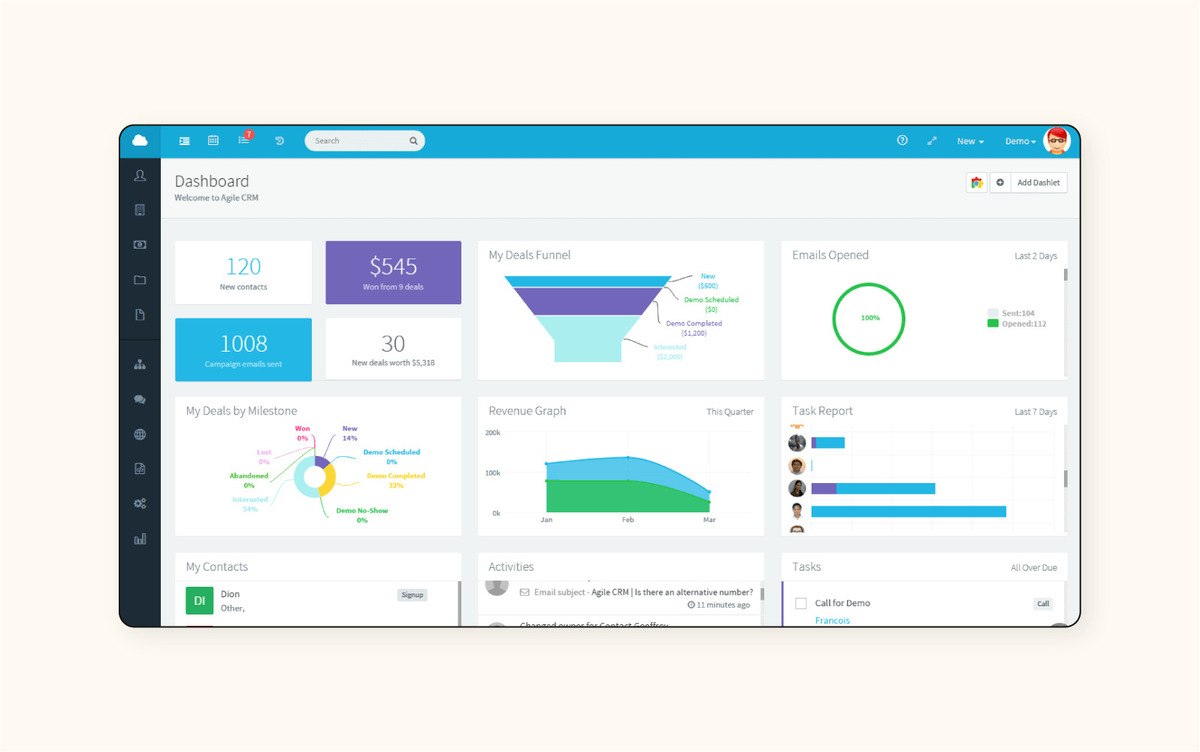
A client data management system is a system that manages customer information and business data in a single place. Teams can save contact information, communication history, documents, account notes, preferences, and activity when they use the platform. The aim is to develop a complete amount of client information.
How Does It Organize Client Information?
Centralized records provide teams with a more transparent perspective of each client. Employees no longer need to view multiple files; instead, they can view pertinent information in one profile. The system can also categorize records by fields, categories, tags, notes and activity history.
A salesperson can need the contact info and past interactions, for instance. A contract or service history might be required by an account manager. Having a centralized profile can allow these details to be consolidated for employees without having to look into different profiles.
How Is It Different From Spreadsheets?
Spreadsheets are an acceptable solution for a small list of clients. When multiple employees are editing the same data, though, they are more difficult to control. Teams can duplicate files, update files and make use of different file formats for similar records.
Structured records, search, permissions, and access to the system are provided by a dedicated system. It can also deliver reporting and workflow capabilities that standard spreadsheets might not be able to.
Who Uses a Client Data Management System?
Centralized client information can be utilized for various work routines, depending on the different departments. Sales reps can view account information and communication. Previous interactions and client requests can be viewed by the customer service teams.
Client records can also be utilized by operations and administrative groups for documentation and inside processes. Thus, the system must reflect the usage of the customer information by different departments.
What Should You Consider Before Choosing a Client Data Management System?
The first, and most important, step is to know what the business requires from its data platform. Selecting software without first identifying software needs can lead to needless expense and lack of uptake.
Identify Your Client Data Requirements
Brainstorm information that your business has. These can be names, contact information, company info, contracts, communication logs, documents, and account activity.
Next, think about the number of records and employees that will have access. Also determine the most common and frequently used fields in teams. These traits offer a working sample for comparison of various platforms.
Review Your Current Data Problems
Examine the issues that employees are experiencing today. When records are duplicated, outdated information, missing data and the absence of tools are all signs of the process's deficiency.
Don't forget to think about the time that staff members spend looking for information. Centralization might be a critical need if teams are making regular transitions from one spreadsheet to another, from one e-mail to another, from one document to another, or from one application to another.
Consider Future Business Requirements
The data volume may not be the same as it is now. As more clients are added, there is the potential for more records, users, documents, and communication history.
So, it's best to think ahead while choosing software. Consider new departments, new locations, bigger staff, and more activity with clients. This can save the need for another system in the future after a short period of time.
Which Features Matter in a Client Data Management System?
The requirements of features vary from business to business. But some of the abilities are worth considering in the process of evaluation.
Centralized Client Profiles
A well-done and well-crafted client profile will stand out and group all the relevant pieces of information. Users should be able to see contact details, account information, notes, documents, and activity related to it all in one place.
Custom fields can also be important if businesses gather information specific to their industry. The system should enable teams to manage records without unnecessarily complicating things.
Data Search and Organization
The more you have to search, the more crucial it becomes. It should be possible to search for clients by name, company, contact info, tags, etc.
Large data sets will also be easier to navigate by using filters and categories. Organized information decreases the amount of time employees have to spend searching for particular information.
Reporting and Data Insights
Reporting capabilities make stored data even more valuable to business. You might need information on the activity of the clients, their account status, communications, or recording changes in the report.
The reporting system should be aligned with business questions. This doesn't ensure the usefulness of a platform when there are many dashboards. It's more important to cover practical reporting than feature volume.
User Roles and Permissions
Not all employee(s) require all client records. Role-based permissions can be used to restrict access and modify capabilities for various users in an organization.
For instance, finance might require billing details, and sales might require account and communication details. Restricting permissions can minimize access to sensitive data that's not needed.
How Important Are Security and Data Privacy?
Care needs to be taken on security, as client information may present sensitive business and personal information. The specific demands are dependent on business context and type of data.
Access Controls
Access controls are used to provide access to and to change information. Companies need to check if there are various permission levels among various roles.
It can also help to inform access decisions based on the principle of least privilege. Access control and least privilege are part of the security requirements that NIST has.
Encryption and Data Protection
It's important to ask businesses about the ways the information will be protected both during storage and transmission. They should also check out authentication options and other security precautions.
Don't use marketing claims as your primary sources of information. Check the technical and security information provided by the provider. The level of protection required is dependent on the sensitivity of the information to be stored.
Audit Logs and Activity Records
Audit logs are useful to identify important activities carried out within a system. These records can provide information on access to information or modification of specific records.
NIST has audit and accountability listed as one of its security control families and suggests that audit records be kept for any system activity that is relevant. Thus, enterprises should ask themselves if the platform keeps significant administration use and user activities.
How Does Data Quality Affect Your Choice?
If the information in a database is not accurate and consistent, then it is of little use. As such, data quality should be a part of the selection process.
Duplicate Client Records
Duplicates can lead to information conflicts. You can update one record with one staff member, and another staff member can use a different record with a second profile.
Check for indicators which can find possible duplicate entries. Another useful feature of record merging can be to combine information together when there are two or more identical records.
Outdated Client Information
Details such as old phone numbers, email addresses, company information or account information can impact everyday workflows. Companies should have procedures in place for checking client records, however.
This can be easier when the system keeps records of history, has reminders or displays a field indicating when information was last updated.
Data Standardization
Standardized data results in consistent data records. For instance, names, phone numbers, addresses, industries, account categories, etc. should be in the same format within each team.
In addition, consistent fields also simplify reporting. Businesses should have a ruleset and a data format for the naming of the data that is reduced prior to migration.
What Integrations Should You Look For?
The extent of integration required will vary or depend on what tools your business already utilizes. If you're looking for a goal, the point should be to share data, not to gather integrations that employees may never use.
CRM and Sales Tools
A customer relationship tool is a work tool that is used by a sales team. Relevant client information can be moved between systems without having to be re-entered through integration.
When selecting an integration, make sure you know which fields are mapped from one platform to the other. Re-check update and duplicate records procedures.
Accounting and Payment Systems
There are some businesses that require financial data linked to their clients. An accounting integration can be used to integrate relevant customer details into an invoice, account status or payment information.
But not all businesses require the same connection. Look at the real workflow prior to choosing an integration.
Communication and Productivity Tools
There can also be links to client records for email, calendars, forms, document storage and collaboration. When they match daily workflows, these integrations can help cut down on the repetitive data entry.
Determine if the integration can be done natively or by means of a third-party connector. Check for any extra expenses or restrictions.
How Easy Should the System Be to Use?
If there are issues that employees have with using the platform, it can also create problems. Usability should therefore be kept in the evaluation process.
User Interface and Navigation
Common records and repetitive tasks should be completed without having to perform any unnecessary steps by users. Clear navigation is important as employees might have to have access to client information multiple times a day.
On product demo, try out common operations instead of just looking at the dashboard. Find a client, view a record, add a note, and find activity history.
Training and Onboarding
Take into account the amount of training that employees will require. Documentation, tutorials, onboarding resources & administrative guidance can have an impact on adoption.
Look for training for administrators as well. There may be internal users that need to handle permission, fields, workflows and system settings for the business.
Mobile and Remote Access
Certain teams require having client info outside of the workplace. Check browser compatibility, mobile applications, authentication and permission controls, if access is by remote, if it is important.
Security should still be a part of this evaluation. Easy access shouldn't take away proper controls for the sensitive data of the client.
How Should You Evaluate Cost and Scalability?
The only criterion for choosing a price should not be price. The total cost should be considered in relation to usage and future needs of the company.
Compare Pricing Models
Users may be charged for providers, features, storage and/or subscriptions. Additional costs of setup or implementation may also apply on some platforms.
Look at the features of each of the pricing plans. The price quoted is a minimum price and may not equal the actual price when extra users or features are needed.
Consider Total Ownership Costs
It can involve migration, implementation, training, integrations, maintenance and future upgrades. These costs can impact the actual cost of a platform.
Clarify with vendors as to any reoccurring charges and one-time charges. It's easier to make comparisons if you're looking at a full cost view.
Check Scalability
The system should support the growth of the user base, records, teams and workflows. Otherwise, a business might find itself in the situation of needing to outgrow the platform prematurely.
Enquire about record limits, user expansion, storage, integrations and available plans. Additionally, consider if there are significant changes in the system needed should the plan be increased in size.
How Do You Compare Different Systems?
Once requirements are clear, create a structured comparison. This keeps the decision focused on actual business needs.
Create a Feature Comparison
Make a list of features you need prior to looking at vendors. Analyse security, profiles, search, reporting, permissions, integrations, usability, scalability and pricing.
Identify the key features of a text and the optional features. This ensures that nice, but not essential, functions don't swamp the evaluation.
Request a Product Demonstration
A demonstration gives a better perspective of the day-to-day use. Request to see use cases that are similar to your business.
Tests to create records, search, update, permissions, reporting, and integrations. A feature list may not indicate problems that can only be determined by practical testing.
Review Vendor Reputation and Documentation
Consult product information, security data, service conditions, pricing and corporate data. If there are any customer references, they may also be helpful.
Don't just take the word of any promotion. Google suggests that people-first content shows original value, clarity of expertise and trustworthy information. This is the same when looking for software providers too. If the claim cannot be backed up by written evidence, it is not as good as documented evidence.
What Mistakes Should You Avoid When Choosing One?
Choosing Based Only on Price
The lowest-cost option might not be right for you in terms of data, security or workflow. Take a total ownership cost approach rather than a subscription price approach.
Buying Too Many Unused Features
The more features it has, the better fit it is, not necessarily. Know your employees' functions and concentrate on what they do.
Ignoring Data Migration
Planning is required with existing records if a change in location is called for. Look at a field mapping, duplicate records, up-to-date data, file formats and validation before migration. A migration plan will minimise disruption and preserve valuable historical information.
Overlooking Security and Permissions
Security should not become an afterthought. Review authentication, access controls, audit logs, data protection, and provider documentation before selecting a platform.
Businesses should also understand who can access client information. Clear permissions can reduce unnecessary exposure and create stronger internal controls.
Conclusion
To select the right client data platform, you must understand what your business needs. First of all, review what information your teams manage and the issues they are currently facing. Next evaluate features, data quality, security, integrations, usability, scalability and TOC. Real workflows may also be tested to uncover actual problems prior to purchase. Lastly, consider the vendor documentation and service terms thoroughly. It is a good idea to carefully assess this before making software selections that are appropriate for existing business operations and will meet future business needs.
FAQs
What's a client data management system?
The client data management system holds customers' information, account and communications history, and other documents within a single system. Provides a framework for teams to access, update and keep track of client records.
What are the qualities to consider in client data management software?
Search for centralized profiles, search tools, reporting, user permissions, integrations and data security features. The software chosen should align with the daily information demands, data volume and workflow of your team.
How secure should client data management software be?
The software should offer the right level of access control, secure data management, authentication and monitoring of activities. Another important factor to consider when selecting a platform is the provider's security measures and documentation. Before selecting a platform, businesses should also check the provider's security measures and documentation.
How to determine the system for your business?
First, look at your data needs, what challenges you face, what you need to integrate with, any security concerns, and how your data is expected to grow. Next, look at features, usability, pricing, scalability, migration and vendor documentation.
1421 people like this


About Premium Author
This post has been authored and published by one of our premium contributors, who are experts in their fields. They bring high-quality, well-researched content that adds significant value to our platform.