Melbourne Car Wrecker Guide: What You Need to Know Before You Call
- Liam Harper
- Automobile
- 2026-03-04 20:24:56
- 1152K
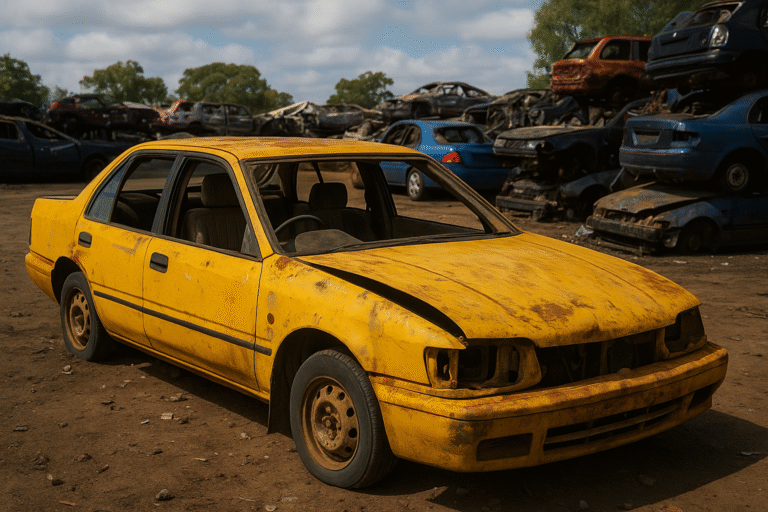
Most people only think about car wreckers when their vehicle has finally given up the ghost — a blown engine, a write-off after a collision, or a car that's been slowly rusting in the driveway for the better part of two years. But calling a wrecker without knowing what to expect is a bit like heading into a negotiation unprepared. You might walk away satisfied, or you might leave a fair bit of money on the table. If you're a Melbourne vehicle owner, understanding how the industry works, what questions to ask, and how to get the best deal for your old car makes a genuine difference.
The good news? Melbourne has a healthy, competitive market for end-of-life vehicles. Whether you're dealing with a flood-damaged ute, a high-kilometre sedan, or a van that's been sitting deregistered for years, there's almost always a buyer. Companies operating as auto wreckers Melbourne-wide range from boutique specialists dealing in European marques to large-scale operations processing hundreds of vehicles a week. Knowing the difference — and knowing what each one offers — puts you firmly in the driver's seat.
This guide covers everything from how car wreckers calculate the value of your vehicle, to the paperwork involved, red flags to watch out for, and practical tips to maximise what you receive. Whether this is your first time selling a scrap car or you've done it before and want a better result, there's something useful here for you.
How Car Wreckers Actually Operate
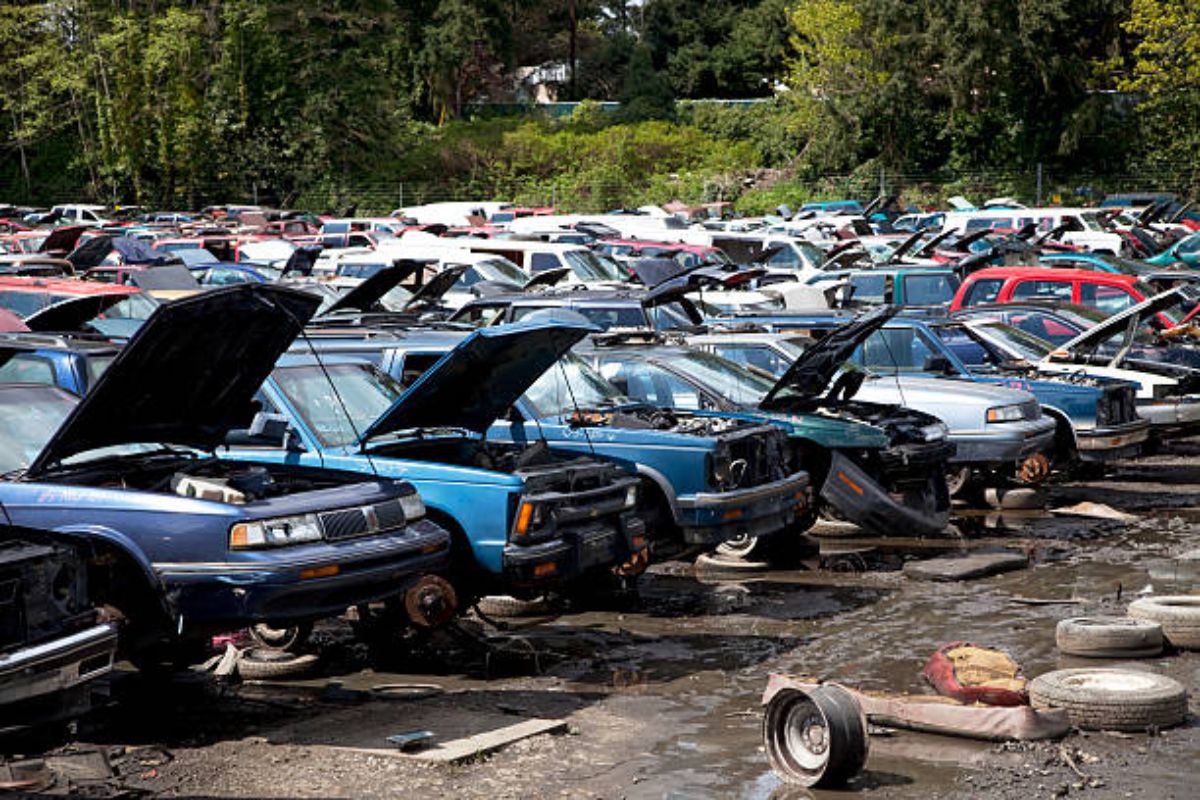
Car wreckers — also called auto dismantlers, salvage yards, or vehicle recyclers — are businesses that purchase end-of-life vehicles, strip them for usable parts, and then recycle whatever's left over, primarily the steel and aluminium from the body shell.
The process typically follows three stages:
Stage 1 — Vehicle Assessment: When you contact a wrecker, they'll ask questions about your car's make, model, year, condition, and whether it's registered or driveable. This initial assessment determines their offer.
Stage 2 — Parts Salvage: Once they take possession, skilled dismantlers pull out anything with resale value — engines, gearboxes, alternators, doors, dashboards, suspension components, and even smaller items like switches and trim pieces. These are cleaned, tested where applicable, and listed for sale.
Stage 3 — Metal Recycling: The remaining shell is crushed and sold to metal recyclers. Scrap steel prices fluctuate with global commodity markets, which is one reason why the amount offered for your vehicle can vary from week to week.
Understanding this model is important because it explains why some wreckers pay more than others. A specialist dealing in, say, Japanese imports will know the parts from your Subaru or Toyota are in high demand — and their offer will reflect that.
What Determines How Much Your Car Is Worth
This is where most people get confused. They expect a clean, straightforward price based on age and kilometres alone, but the reality is more nuanced.
Factors that influence the offer include:
- Make and model popularity: High-demand vehicles like Toyota HiLuxes, Ford Rangers, and Holden Commodores generate more parts interest, which typically results in a higher payout.
- Condition of key components: A car with a functioning engine and intact interior will generally yield more than one that's been stripped or fire-damaged.
- Current scrap metal prices: As of recent years, scrap steel in Australia has fluctuated between $180 and $280 per tonne, which directly impacts base valuations.
- Parts availability in the market: If the wrecker is already sitting on a dozen of the same model, your car is less valuable to them at that moment.
- Location and towing costs: A car in the outer suburbs or regional Victoria may attract a lower net offer once towing is factored in, though many reputable Melbourne wreckers offer free collection within the metro area.
A common mistake sellers make is accepting the first offer they receive. Getting two or three quotes from different wreckers takes less than 30 minutes and can easily result in a few hundred dollars more in your pocket.
The Paperwork You Need to Sort Out
Selling a vehicle to a car wrecker in Victoria involves a few administrative steps that are non-negotiable. Skipping them can cause problems down the track — including receiving infringement notices for a car you no longer own.
Transfer of ownership: You need to complete a vehicle transfer through VicRoads. This removes your name from the registration and formally transfers liability. You can do this online via the VicRoads portal or at a service centre.
Notification of disposal: If the vehicle is being disposed of rather than re-registered (which is typically the case with wreckers), you need to lodge a Notice of Disposal. This is a separate step from the transfer.
Licence plates: In Victoria, number plates remain with the owner unless transferred to another vehicle. Remove your plates before handing the car over — you can return them to VicRoads or transfer them to your next vehicle.
Proof of identity: Reputable wreckers will ask for identification before completing the transaction. This is standard practice and actually protects you as much as it protects them.
If your vehicle is unregistered, the process is simpler, but you'll still need to provide proof of ownership — typically a previous registration certificate or a statutory declaration if those documents are unavailable.
Choosing the Right Wrecker in Melbourne — What to Look For
Not every operation offering to buy your car is worth your time. Melbourne's car wrecking industry, like many trades, has its share of reputable operators and those best avoided.
Signs of a trustworthy wrecker:
- They provide a written or confirmed quote before collection, not a price adjustment on the day
- They have a physical yard address — not just a mobile number and a P.O. box
- They are licensed under the Second-Hand Dealers and Pawnbrokers Act 1989 (Vic), which requires dealers to keep records and report to Victoria Police
- They offer free, no-obligation quotes without pressure tactics
- Online reviews are consistent and recent — not a cluster of five-star reviews from suspicious accounts
Warning signs to watch out for:
- Offers that drop significantly when the driver arrives to collect
- Requests for cash payment to the seller with no receipt or paperwork
- No willingness to confirm business registration details
- Asking you to sign paperwork before the final offer is confirmed
One practical tip: search for the business on the Australian Business Register (ABR) at abr.business.gov.au. Any legitimate operation will have an active ABN.
Getting the Most Out of the Transaction
A few simple steps before you make contact can noticeably improve your outcome.
Clean out the vehicle thoroughly. Check under seats, in the boot, and in door pockets. People routinely leave tools, documents, sunglasses, charging cables, and personal items in cars they hand over. Everything you leave behind is effectively a donation.
Note any working features. If the air conditioning is functional, if the sound system is intact, or if the tyres have decent tread left, mention this when getting your quote. These details affect the parts valuation.
Check for any remaining fuel. Fuel left in the tank has real value. Some sellers transfer it to their new vehicle or use a hand siphon pump before collection day.
Don't strip the car yourself unless you know what you're doing. Some people remove parts thinking they'll sell them privately and get more overall. For most sellers, this backfires — it takes significant time, the parts are harder to sell than expected, and the remaining shell is worth less to the wrecker. Unless you have genuine mechanical knowledge and the right buyer lined up, it's usually not worth the effort.
Environmental Responsibility in Modern Car Wrecking
It's worth knowing that the vehicle you're handing over doesn't simply end up in a landfill. The automotive recycling industry in Australia recovers an estimated 75–85% of a vehicle's material by weight, according to industry data from the Motor Vehicle Industry Association.
Responsible car wreckers Melbourne-wide are required to drain all fluids — including engine oil, coolant, brake fluid, and air conditioning refrigerant — before crushing, preventing these substances from contaminating soil and groundwater. Batteries are recycled through dedicated streams, catalytic converters are processed for platinum group metals, and tyres are sent to rubber recyclers.
This means that choosing a licensed, reputable wrecker isn't just about getting a fair price — it's also the environmentally responsible choice for disposing of a vehicle.
Final Thoughts
Calling a Melbourne car wrecker doesn't have to be a stressful or complicated experience. Go in with a basic understanding of how pricing works, get multiple quotes, sort your VicRoads paperwork, and deal only with licensed operators who are transparent from the start.
The end-of-life vehicle market is genuinely competitive in Melbourne right now, and that competition benefits sellers. A bit of preparation — maybe 45 minutes of your time across a couple of phone calls and some admin — can be the difference between a frustrating transaction and walking away feeling like you got a fair result for a car that's run its course.
Your old vehicle still has value. Make sure you're the one who benefits from it.
1152 people like this

About Premium Author
This post has been authored and published by one of our premium contributors, who are experts in their fields. They bring high-quality, well-researched content that adds significant value to our platform.