Gas Station Canopy Light Guide for Bright and Safe Spaces
- Marissa Southard
- Business
- 2026-05-19 14:47:58
- 1270K
Gas Station Canopy lighting is one of the most important elements in modern fuel station design. It is not just about lighting up an area; it is about safety, visibility, energy efficiency, and creating a strong first impression for customers. In today’s competitive fuel retail industry, a well-lit canopy can significantly improve customer trust and overall business performance.
This article explains everything you need to know about gas station canopy lights, their importance, types, benefits, and how to choose the right lighting system for long-term performance.
What is Gas Station Canopy Light?
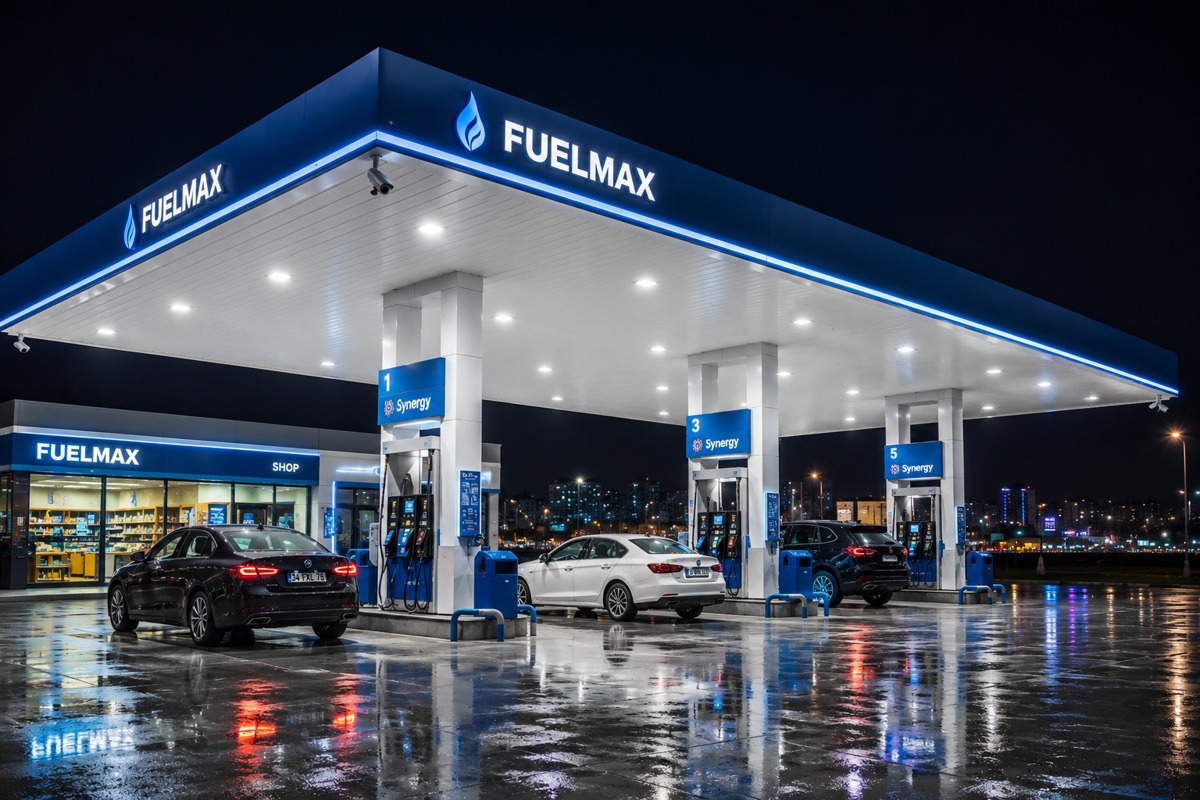
Gas station canopy lights are specialized lighting fixtures installed under the roof structure of fuel stations. Their main purpose is to provide uniform and bright illumination across the fueling area where vehicles stop to refuel.
Unlike standard outdoor lights, canopy lights are designed for high brightness, wide coverage, and durability in harsh environments such as heat, dust, rain, and pollution. Most modern systems use LED technology because it delivers better efficiency, longer life, and lower maintenance costs compared to traditional metal halide or fluorescent lighting.
Why Gas Station Canopy Lighting is Important
Lighting at a fuel station is not just decorative. It directly affects safety, customer experience, and business performance. Poor lighting can create shadows, reduce visibility, and increase the risk of accidents or security issues.
1. Safety and Accident Prevention
Fuel stations involve moving vehicles, wet surfaces, and nighttime operations. Proper canopy lighting ensures drivers can clearly see fuel pumps, payment areas, and pedestrians. This reduces the chances of collisions or slips.
2. Security Enhancement
Well-lit areas discourage theft, vandalism, and suspicious activity. Security cameras also perform better in bright environments, helping monitor all activities effectively.
3. Better Customer Experience
A bright, evenly lit station feels safer and more professional. Customers are more likely to stop at a fuel station that looks clean, modern, and well-maintained.
4. Strong Brand Image
Lighting plays a major role in visual branding. A modern LED canopy lighting system gives a fuel station a premium appearance, helping it stand out among competitors.
Evolution of Gas Station Lighting
In the past, gas stations commonly used metal halide and fluorescent lights. While these were widely available, they had several limitations such as high energy consumption, frequent maintenance, and slow start-up times.
With the introduction of LED technology, the industry has completely transformed. LED canopy lights offer instant brightness, better energy efficiency, and significantly longer lifespan. Today, most modern fuel stations are shifting toward LED systems due to long-term cost savings and performance benefits.
Types of Gas Station Canopy Lights
Different types of canopy lighting solutions are used depending on station size, layout, and brightness requirements.
1. LED Square Canopy Lights
These are widely used in fuel stations due to their broad and uniform light distribution. They are ideal for standard canopy designs and provide excellent coverage.
2. LED Round Canopy Lights
Round lights are designed for even light spread and are often used for aesthetic purposes. They help create a smooth and balanced lighting effect.
3. LED Panel Canopy Lights
These are high-output lighting panels used in large fuel stations. They deliver extremely bright illumination and are suitable for wide canopy areas.
4. Recessed Canopy Lights
These lights are installed inside the canopy ceiling, offering a clean and modern appearance. They are often used in premium fuel stations where design matters as much as performance.
5. High-Power Industrial LED Lights
For large or highway fuel stations, high-power LED fixtures are used to ensure maximum brightness and visibility even from a distance.
Key Features of Good Canopy Lighting
When selecting Gas Station Canopy Lights, certain features should be considered to ensure quality and durability.
High Brightness Output
Brightness is measured in lumens. A good canopy light should provide strong illumination without creating harsh glare.
Energy Efficiency
LED lights consume significantly less electricity compared to traditional lighting, helping reduce monthly operating costs.
Weather Resistance
Outdoor lighting must withstand rain, dust, heat, and humidity. An IP65 or higher rating is recommended.
Long Lifespan
High-quality LED canopy lights can last up to 50,000 hours or more, reducing replacement frequency.
Heat Management
Good thermal design prevents overheating and ensures consistent performance over time.
Uniform Light Distribution
Even lighting eliminates dark spots and shadows, improving visibility and safety.
Benefits of LED Canopy Lights for Gas Stations
Switching to LED canopy lighting offers several long-term advantages for fuel station owners.
Lower Electricity Bills
LED technology consumes significantly less power, resulting in major savings on energy costs.
Reduced Maintenance Costs
Long lifespan and durable construction mean fewer replacements and lower maintenance requirements.
Improved Visibility for CCTV Systems
Bright lighting enhances security camera footage, making surveillance more effective.
Faster Return on Investment
Although LED systems may have higher initial costs, savings in electricity and maintenance ensure quick ROI.
Eco-Friendly Solution
LED lights reduce carbon footprint due to lower energy consumption and longer life cycles.
How to Choose the Right Gas Station Canopy Light
Choosing the right lighting system is important for performance and cost efficiency. Here are key factors to consider:
1. Size of the Canopy Area
Larger stations require higher wattage or multiple fixtures for complete coverage.
2. Brightness Requirement
Ensure the lumen output matches the station size and design layout.
3. Installation Type
Decide between surface-mounted, recessed, or pendant-style fixtures based on canopy design.
4. Durability Standards
Always choose lights with strong housing materials like aluminum and high IP ratings.
5. Energy Consumption
Compare wattage and efficiency ratings to reduce long-term electricity costs.
6. Brand and Warranty
Reliable manufacturers offer better quality assurance and long warranties.
Installation Considerations
Proper installation is essential for maximizing lighting performance. Lights should be positioned to avoid shadows and ensure even coverage across all fuel pumps and movement areas.
Professional installation is recommended to ensure electrical safety, proper alignment, and long-term durability.
Future of Gas Station Lighting
The future of gas station canopy lighting is moving toward smart LED systems. These include features such as motion sensors, automatic dimming, and remote control monitoring. Smart lighting not only saves energy but also improves operational efficiency.
Solar-powered canopy lighting systems are also emerging as a sustainable solution for reducing electricity dependence.
Conclusion
Gas station canopy lighting is a critical investment for any fuel station. It enhances safety, improves customer experience, strengthens brand image, and reduces operational costs. With modern LED technology, station owners can achieve brighter, more efficient, and more durable lighting solutions.
A well-designed lighting system is not just about visibility; it is about creating a safe, welcoming, and professional environment that encourages customers to return.
1270 people like this



About Premium Author
This post has been authored and published by one of our premium contributors, who are experts in their fields. They bring high-quality, well-researched content that adds significant value to our platform.