How to Thrive Physically and Emotionally After 40s
- Sara Stulgaitis
- Health
- 2026-05-23 03:47:49
- 1275K
Redefining Women’s Wellness After 40
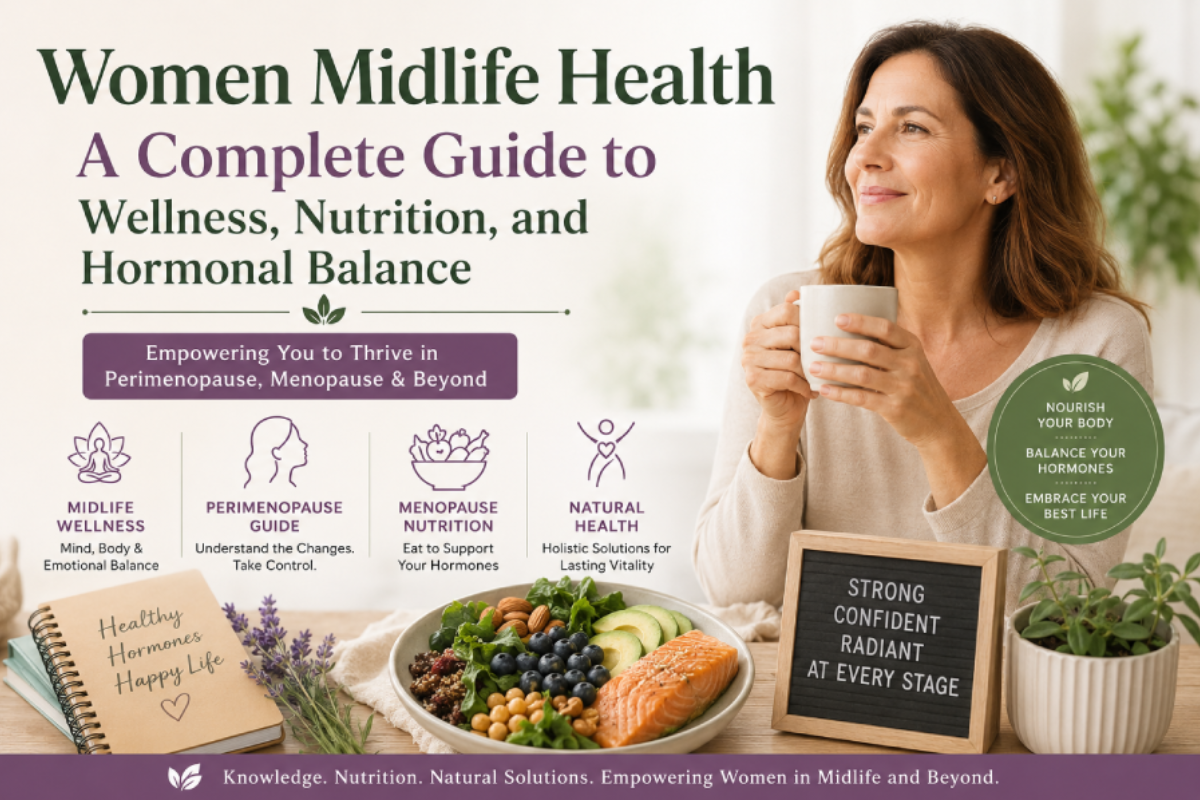
Aging is a natural part of life, yet for many women, the years after 40 bring unexpected physical, emotional, and hormonal changes. From fluctuating hormones to changes in metabolism and energy levels, women often face new wellness challenges that require a proactive and informed approach. The good news is that healthy aging is not about slowing down it is about creating a lifestyle that supports strength, balance, confidence, and long-term vitality.
Today, more women are embracing wellness-focused lifestyles that prioritize nutrition, stress management, movement, and emotional well-being. By understanding the body’s changing needs, women can successfully navigate midlife while improving overall health and quality of life.
Understanding Hormonal Changes After 40
As women enter their 40s and 50s, hormone levels naturally begin to fluctuate. Estrogen and progesterone changes can influence many aspects of health, including mood, sleep, weight management, and energy.
Common symptoms women experience during midlife include:
- Fatigue and low energy
- Difficulty sleeping
- Mood changes and irritability
- Weight gain around the abdomen
- Brain fog and poor concentration
- Joint discomfort and muscle loss
- Increased stress and anxiety
These symptoms are often associated with perimenopause and menopause, but they can also reflect lifestyle imbalances such as chronic stress, poor nutrition, and lack of self-care.
Understanding these hormonal changes allows women to take control of their wellness and make informed lifestyle choices that support healthy aging.
The Role of Nutrition in Healthy Aging
Nutrition becomes increasingly important during midlife. The body’s metabolism naturally slows with age, and hormonal fluctuations can impact digestion, inflammation, and energy production. A balanced, nutrient-rich diet helps support hormone function, bone health, cardiovascular wellness, and cognitive performance.
Focus on Whole Foods
A healthy aging diet should include:
- Fresh fruits and vegetables
- Lean proteins
- Healthy fats
- Whole grains
- Fiber-rich foods
- Hydration and mineral support
Whole foods provide essential nutrients that help reduce inflammation and support overall wellness.
Prioritize Protein Intake
Women naturally lose muscle mass as they age, which can slow metabolism and reduce strength. Including adequate protein in daily meals supports muscle preservation, energy production, and healthy weight management.
Support Bone and Heart Health
Calcium, vitamin D, magnesium, and omega-3 fatty acids play a crucial role in maintaining bone density and cardiovascular health during menopause and beyond.
Managing Stress and Emotional Wellness
Emotional wellness is equally important during midlife. Many women juggle careers, family responsibilities, caregiving, and personal transitions while simultaneously navigating hormonal changes. Chronic stress can negatively affect sleep, digestion, hormone balance, and mental clarity.
Creating healthy stress management habits can significantly improve emotional resilience and overall wellness.
Effective Stress Reduction Strategies
- Daily mindfulness or meditation
- Deep breathing exercises
- Journaling and gratitude practices
- Spending time in nature
- Limiting overstimulation and digital overload
- Prioritizing quality sleep
Women who focus on emotional wellness often experience improved mood, greater mental clarity, and stronger physical health outcomes.
Movement and Fitness for Midlife Women
Regular movement is essential for maintaining strength, flexibility, cardiovascular health, and hormone balance. Exercise also supports mood regulation and stress reduction.
Midlife fitness does not have to involve intense workouts. Consistency is more important than perfection.
Recommended Activities for Healthy Aging
- Walking and low-impact cardio
- Strength training for muscle support
- Yoga and stretching for flexibility
- Pilates for core stability
- Mobility exercises for joint health
A balanced fitness routine helps women maintain independence, confidence, and vitality as they age.
Sleep and Recovery Matter More Than Ever
Sleep quality often changes during midlife due to hormonal fluctuations and increased stress levels. Poor sleep can contribute to weight gain, fatigue, mood instability, and weakened immune function.
Improving sleep hygiene can have a significant impact on overall wellness.
Healthy Sleep Habits
- Maintain a consistent sleep schedule
- Reduce screen time before bed
- Create a calming nighttime routine
- Limit caffeine late in the day
- Keep the bedroom cool and quiet
Rest and recovery are essential components of healthy aging and hormone balance.
Building a Sustainable Wellness Lifestyle
Healthy aging is not about restrictive diets or unrealistic routines. It is about creating sustainable wellness habits that support long-term health and happiness.
Women who thrive during midlife often focus on:
- Consistent self-care
- Balanced nutrition
- Stress management
- Positive relationships
- Personal growth and purpose
- Preventive health practices
Small daily habits can lead to powerful long-term wellness transformations.
Embracing Midlife With Confidence
Midlife can be one of the most empowering phases of life when women prioritize their health and well-being. Rather than fearing aging, women can embrace this stage as an opportunity for growth, self-awareness, and renewed vitality.
By focusing on holistic wellness, emotional resilience, and healthy lifestyle choices, women can feel stronger, healthier, and more confident than ever before.
Healthy aging is not about avoiding change—it is about learning how to thrive through it.
1275 people like this



About Premium Author
This post has been authored and published by one of our premium contributors, who are experts in their fields. They bring high-quality, well-researched content that adds significant value to our platform.