How Much Cash Can I Get for My Scrap Car in Brisbane?
- Henry Danial
- Automobile
- 2026-03-04 16:29:56
- 1149K
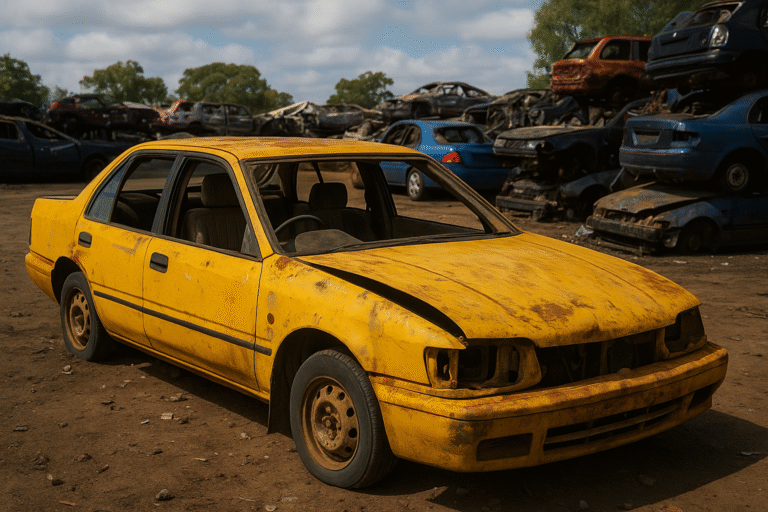
Most Queenslanders don't realise their rusting old car sitting in the driveway is actually worth decent money. Whether it's a beaten-up 2003 Holden Commodore that hasn't started in two years, or a flood-damaged Toyota that your insurer wrote off last summer — there's a real market for it in Brisbane, and the competition among buyers is fierce enough to work in your favour.
The scrap car industry in Brisbane has matured significantly over the past decade. What was once a murky, low-ball affair has evolved into a transparent, competitive space where sellers can genuinely pocket anywhere from $150 to $9,000 or more, depending on the vehicle. If you're searching for the best cash for cars deal in your area, understanding what drives the numbers is the most powerful thing you can do before making a single phone call.
What Actually Determines the Value of Your Scrap Car?
Before you get on the phone with a wrecker or removal company, it helps to understand what they're looking at when they quote you a price. It's not random, and it's not charity — it's a calculated assessment of several intersecting factors.
1. The Weight and Metal Composition
Scrap metal pricing is largely commodity-driven. Steel, aluminium, copper, and cast iron all have fluctuating market values tied to global demand. A heavier vehicle — think a Ford F-250 or a Nissan Patrol — will fetch more on weight alone compared to a compact hatchback. Aluminium-heavy vehicles, such as newer Audis or Land Rovers, can attract premium quotes because aluminium commands higher scrap rates than standard steel.
As of recent years, steel scrap prices in Australia have hovered between $150–$250 per tonne, with aluminium averaging $1,000–$1,500 per tonne. A typical passenger car weighs roughly 1.2 to 1.8 tonnes, so the base metal value alone gives you a reasonable ballpark.
2. Salvageable Parts
This is where things get interesting. A car that no longer runs may still have a perfectly functional alternator, gearbox, starter motor, or catalytic converter. Wreckers in Brisbane strip usable components and sell them individually — often at significant margins. If your vehicle is a popular make and model (Toyota HiLux, Mazda 3, Subaru Forester), parts demand is high, and that directly inflates your offer.
Catalytic converters alone can be worth $200–$800 depending on the platinum-group metals inside. Some unscrupulous buyers have been known to low-ball the overall vehicle quote while quietly banking on the catalytic converter — so it's worth knowing your car's components before accepting any offer.
3. Age, Condition, and Completeness
A 2010 vehicle with all four wheels, intact windows, and a readable VIN plate is worth considerably more than a 2005 shell missing its bonnet and engine. Even if the car doesn't run, the more intact it is, the better your quote will be. Wreckers prefer complete vehicles because they minimise the sorting work and maximise the parts inventory they can offer downstream customers.
4. Current Metal Market Conditions
Global supply chain disruptions, infrastructure spending, and manufacturing demand all ripple through to local scrap metal prices. After the pandemic, steel and aluminium prices surged globally — and Brisbane wreckers passed some of that upstream value to sellers. Timing your sale during a commodity uptick, if you're not in a rush, can meaningfully improve your return.
How the Process Works in Brisbane
The good news is that getting cash for your scrap car in Brisbane is remarkably straightforward — far less complicated than selling a running vehicle privately.
Step 1: Get Multiple Quotes
Don't accept the first offer. Ring three to five local wreckers or cash-for-cars companies. The variance between offers can be surprising — sometimes $200 to $500 on the same vehicle. Online quote tools have made this faster, but a phone call still tends to yield more accurate and sometimes better figures. Get free online quotes to start comparing your options today
Step 2: Confirm What's Included
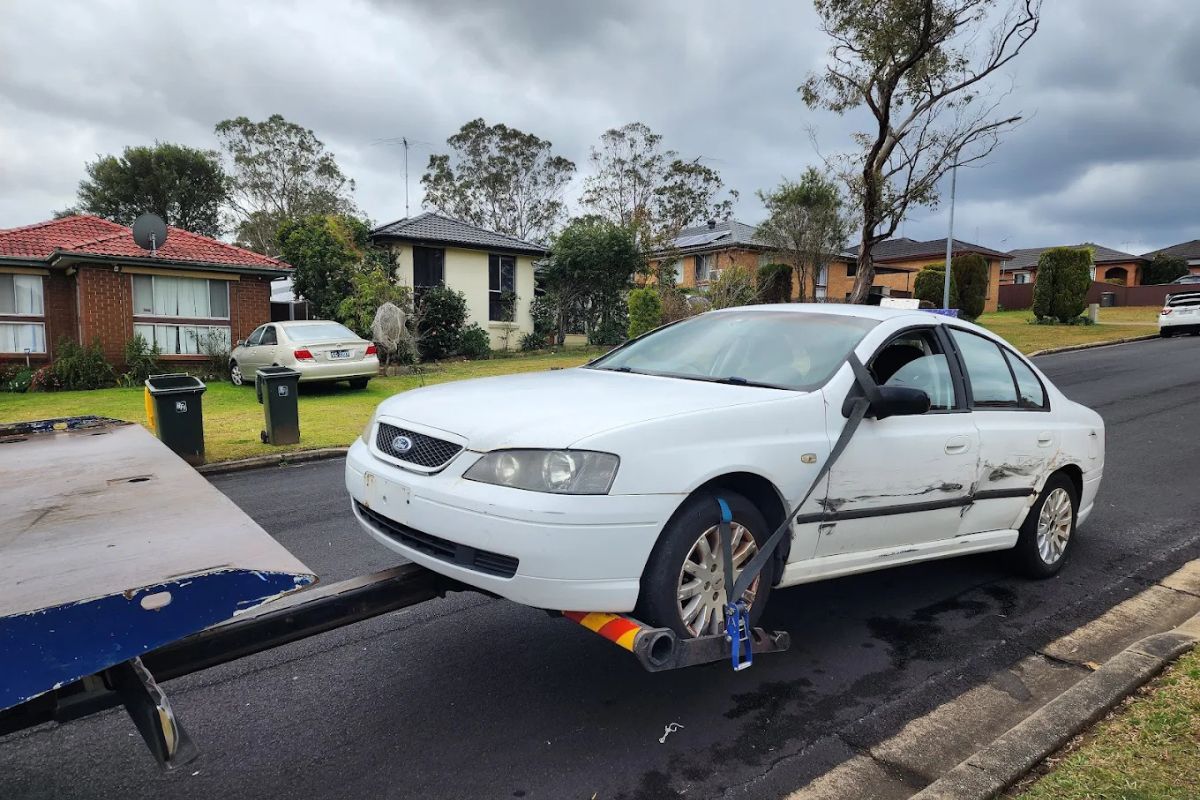
A legitimate buyer will offer free towing and same-day or next-day pickup in most Brisbane metro areas. If a company is quoting a low figure and then charging for removal, factor that into your comparison. Free pickup across Greater Brisbane — including Ipswich, Logan, Redcliffe, and the Sunshine Coast — is standard among reputable operators.
Step 3: Have Your Paperwork Ready
You'll need proof of ownership — typically your registration papers or a Queensland title. If the vehicle has been de-registered, a statutory declaration may be required. Wreckers in Queensland are required by law to record seller details under the Second-hand Dealers and Collectors Act, so expect to provide your ID.
Step 4: Get Paid
Most Brisbane operators pay cash on pickup. Bank transfers are also common. Be cautious of anyone asking you to accept payment via gift card, cryptocurrency, or delayed cheque — these are red flags regardless of how good the initial quote sounded.
Common Mistakes That Cost Brisbane Sellers Money
Even smart people leave money on the table when scrapping a car. Here are the pitfalls worth avoiding:
- Accepting the first quote without shopping around. The market is competitive. Use that to your advantage.
- Not removing personal items and valuable accessories. Sound systems, dash cameras, and aftermarket wheels don't factor into a scrap quote — take them out beforehand.
- Forgetting to cancel registration. In Queensland, you can claim a partial refund on unused registration through the Department of Transport and Main Roads. This is separate from the scrap value and easy to overlook.
- Selling to unlicensed buyers. Always verify that the buyer holds a Queensland motor dealer or scrap metal licence. Unlicensed operators expose you to legal risk if the vehicle is later linked to fraudulent activity.
- Underestimating a running vehicle. If your car still drives — even poorly — it has private sale value beyond scrap. A car that runs and has a roadworthy is worth significantly more than a non-runner, even if it's old. Consider your options carefully before defaulting to scrap.
Brisbane-Specific Factors Worth Knowing
Queensland's climate creates some interesting market dynamics. The subtropical humidity in Brisbane accelerates rust and corrosion, which can reduce the structural integrity of older vehicles and lower scrap quotes. On the flip side, Queensland's strong mining and construction sectors drive consistent demand for recycled steel, keeping scrap metal prices relatively healthy compared to some other states.
The South East Queensland region also has a high concentration of licensed wreckers and auto dismantlers — particularly in Acacia Ridge, Rocklea, and Brendale — creating genuine competition that benefits sellers. Areas further out, such as Toowoomba or the Gold Coast hinterland, may see slightly lower offers due to transport cost differentials.
Is It Worth Repairing Instead of Scrapping?
This is a question every Brisbane car owner eventually faces. The general rule of thumb used by mechanics and financial advisors alike: if the repair cost exceeds 50–70% of the vehicle's current market value, scrapping or selling for parts is almost always the smarter financial move.
An older Holden Commodore worth $3,000 on the private market that needs $2,500 in engine work is a questionable investment. Especially when a scrap buyer might hand you $600–$900 for it on the same day, no repairs, no advertising, no test drives with strangers.
That said, sentimental value is real. Some cars are worth keeping for reasons that don't show up on a balance sheet. But if the decision is purely financial, the maths tends to favour scrapping older, high-repair-cost vehicles more often than people initially expect.
Final Thoughts
Scrapping a car in Brisbane isn't just about getting rid of a problem — it's a legitimate financial transaction with real money on the table. The more informed you are about what your vehicle is actually worth, how the pricing works, and what the local market looks like, the better outcome you'll walk away with.
Get multiple quotes, know your paperwork, cancel your rego, and don't leave accessories behind. The entire process can be completed in under 24 hours, and for a car you thought was worthless, that cash in hand tends to feel surprisingly satisfying.
1149 people like this



About Premium Author
This post has been authored and published by one of our premium contributors, who are experts in their fields. They bring high-quality, well-researched content that adds significant value to our platform.