LED vs Incandescent, CCT Meaning & Solar Lantern Guide
- Maverick LED Lights
- Business
- 2025-07-29 11:45:51
- 500K
Lighting has undergone a dramatic transformation in the last few decades. From the warm, familiar glow of incandescent bulbs to the futuristic efficiency of LED technology and solar-powered lanterns, we’re in the middle of a global lighting revolution. But to make the best lighting decisions—whether for a home, business, or outdoor space—you need to understand the differences, the terminology, and the benefits behind the innovation.
In this in-depth guide, we’ll explore Incandescent vs LED lighting, explain CCT meaning, and highlight how solar lanterns are reshaping the way we think about outdoor and emergency illumination.
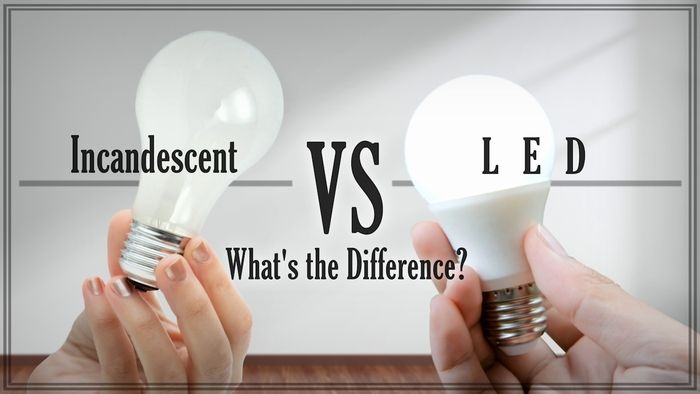
LED vs Incandescent: The Energy Showdown
When it comes to household and commercial lighting, the battle of LED vs incandescent is no longer just a trend—it's a critical decision for cost, safety, and sustainability.
What Are Incandescent Bulbs?
Incandescent bulbs work by heating a wire filament until it glows. They’ve been in use for over 130 years and are known for their warm, comforting light. However, they’re incredibly inefficient—wasting up to 90% of their energy as heat.
What Are LEDs?
LED stands for Light Emitting Diode. LEDs produce light through electroluminescence—a process that generates very little heat, making LEDs much more energy-efficient and safer to use.
Comparing LED vs Incandescent Performance
- Energy Efficiency: A 60-watt incandescent bulb produces the same light as a 10-watt LED.
- Lifespan: Incandescent lasts about 1,000 hours; LEDs last 25,000–50,000 hours.
- Heat Output: Incandescents can get dangerously hot; LEDs remain cool.
- Environmental Impact: LEDs are recyclable and mercury-free.
Over a 10-year period, switching to LEDs can save hundreds of dollars per fixture while dramatically reducing your carbon footprint. When you compare incandescent vs LED, it’s clear LEDs aren’t just better—they’re essential for a sustainable future.
Understanding LED CCT: What Does CCT Mean in Lighting?
CCT stands for Correlated Color Temperature. It’s a measurement (in Kelvins, or K) that describes the color appearance of a light source—whether it looks “warm” or “cool.”
CCT Scale and LED Light Bulb Colors
- 2700K–3000K: Warm white – ideal for living rooms, bedrooms, and restaurants. Mimics incandescent glow.
- 3500K–4100K: Neutral white – great for offices, kitchens, and classrooms.
- 5000K–6500K: Cool white or daylight – used in warehouses, hospitals, and commercial spaces.
Understanding CCT meaning helps you choose the right lighting atmosphere for any application. For example:
- Want a cozy vibe in your cafe? Go for 2700K.
- Need clarity and alertness in a workspace? Opt for 5000K.
Unlike incandescent lights, which are usually fixed in tone, modern LED CCT options offer tunable white features, letting users adjust the color temperature throughout the day.
Where LED CCT and Incandescent Collide
Traditional incandescent bulbs typically fall in the 2700K range, offering a warm, yellowish light. While comforting, they don’t adapt to task-specific needs. LED lights, however, come in a full range of CCT values, giving users control over their lighting environment.
This is particularly important in:
- Retail lighting, where color accuracy affects customer experience.
- Offices, where cooler lighting can improve focus and reduce fatigue.
- Medical facilities, where neutral light enhances visibility and hygiene.
In the battle of LED vs incandescent, the flexibility and precision of LED CCT options make them far superior in functionality and adaptability.
The Rise of Solar Lanterns: Clean, Portable Power
While LED lights are revolutionizing indoor lighting, solar lanterns are transforming the way we think about outdoor and emergency lighting.
What Are Solar Lanterns?
Solar lanterns are portable, rechargeable LED lighting solutions powered by sunlight. They absorb solar energy during the day through built-in panels and store it in rechargeable batteries for use at night.
Why Solar Lanterns Are Game-Changers
- Off-Grid Lighting: Ideal for camping, rural areas, disaster relief, and power outages.
- Eco-Friendly: Zero emissions, renewable power, and no utility bills.
- Long-Lasting: A quality solar lantern can last 8–10 hours on a full charge.
- Affordable: Once purchased, they run for free using solar energy.
Businesses, schools, and homeowners alike are now incorporating solar-powered LED lights into their outdoor areas, from garden paths to parking lots.
Best Use Cases for Solar Lanterns
- Camping trips and outdoor recreation
- Emergency kits for power outages
- Garden and landscape lighting
- Humanitarian aid in off-grid communities
By combining solar energy with LED technology, solar lanterns offer reliable, sustainable lighting for any situation—without reliance on electricity or fuel.
LED vs Incandescent vs Solar Lanterns: Which One’s Right for You?
| Feature | Incandescent | LED Lighting | Solar Lanterns |
| Energy Use | High | Very Low | None (solar powered) |
| Lifespan | 1,000 hours | 25,000–50,000 hrs | 5–10 years |
| CCT Options | Fixed (2700K) | Tunable (2700–6500K) | Usually fixed (warm) |
| Heat Output | High | Low | Very Low |
| Upfront Cost | Low | Moderate | Low to Moderate |
| Long-Term Savings | None | High | High |
| Off-Grid Use | No | No (unless battery) | Yes |
For homes, offices, and industrial use, LEDs dominate in performance, versatility, and energy savings. For outdoor and emergency use, solar lanterns add a clean, cost-effective layer of backup illumination.
Final Thoughts
In a world where sustainability, efficiency, and flexibility are priorities, the outdated incandescent bulb simply can’t keep up. LED lighting, with its broad range of CCT options, low energy use, and long life span, is the clear winner for almost every indoor and commercial application.
Meanwhile, the growth of solar lanterns represents an exciting shift toward off-grid energy independence—making lighting accessible even in the most remote corners of the world.
So whether you're lighting your living room, warehouse, or weekend campsite, choosing smarter lighting isn't just a practical decision—it’s a powerful step toward a brighter, greener future.
500 people like this


About Premium Author
This post has been authored and published by one of our premium contributors, who are experts in their fields. They bring high-quality, well-researched content that adds significant value to our platform.