Power Supply Units | IT Hardware & Computer Hardware Guide
- Jason Clark
- Technology
- 2026-03-06 00:20:09
- 1157K
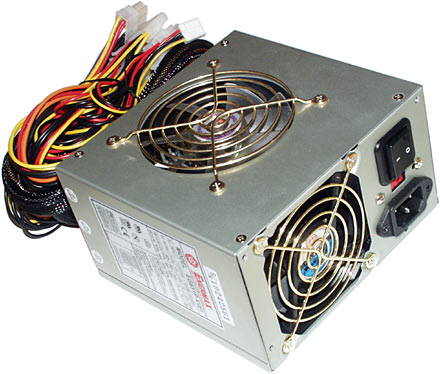
Power Supply Units (PSUs) are one of the most critical components in modern computer systems and IT hardware infrastructure. Without a reliable power supply unit, computer hardware cannot function efficiently or safely. A Power Supply Unit converts alternating current (AC) from wall outlets into direct current (DC) that computer hardware components require. In the world of IT hardware, selecting the right PSU is essential for system stability, performance, and longevity.
Whether you are building a gaming PC, running enterprise servers, or managing high-performance workstations, understanding Power Supply Units helps you make informed purchasing decisions. In modern computer hardware ecosystems, efficiency and reliability are key factors that influence PSU performance.
Importance of Power Supply Units in IT Hardware
Power Supply Units act as the backbone of any computer hardware setup. They ensure that processors, graphics cards, storage devices, and motherboard circuits receive stable and consistent electricity. Poor quality power supply units can damage sensitive IT hardware components and reduce system lifespan.
For businesses working with advanced computer hardware systems, investing in high-quality Power Supply Units is a smart decision. IT hardware professionals often prioritize PSU certification ratings, wattage capacity, and thermal protection features. Modern data centers also rely heavily on enterprise-grade power supply systems to maintain uptime and reduce operational risks.
In addition, power supply units play an important role in energy conservation. Efficient PSUs reduce electricity consumption, which is beneficial for both individual users and large IT infrastructure environments.
Types of Power Supply Units
1. ATX Power Supply Units
ATX Power Supply Units are the most common type used in personal computers. These are widely compatible with standard computer hardware configurations. ATX PSUs provide reliable power output for everyday computing tasks, gaming, and office IT hardware setups.
2. Modular Power Supply Units
Modular Power Supply Units allow users to connect only the cables they need. This improves airflow inside computer hardware cases and reduces cable clutter. For high-performance IT hardware builds, modular PSUs are highly recommended.
3. Non-Modular Power Supply Units
Non-modular Power Supply Units come with fixed cables attached. They are generally more affordable but can create cable management challenges inside computer hardware cases.
4. Server Power Supply Units
Server-grade Power Supply Units are designed for enterprise IT hardware environments. These PSUs provide higher reliability, redundancy, and continuous power delivery for critical systems.
Power Efficiency Ratings and Certifications
Efficiency is a crucial factor when selecting Power Supply Units for IT hardware systems. PSU efficiency is usually measured using certification programs that evaluate energy performance.
Higher efficiency ratings mean less energy loss during power conversion. This improves system performance and reduces heat generation inside computer hardware systems.
Common PSU efficiency certifications include:
80 Plus Bronze
80 Plus Silver
80 Plus Gold
80 Plus Platinum
80 Plus Titanium
For modern IT hardware builds, 80 Plus Gold or higher certifications are recommended. These provide excellent performance for high-end computer hardware applications such as gaming, graphic design, and server processing.
Choosing the Right Power Supply Unit
Selecting the correct Power Supply Units for your computer hardware requires careful planning. Consider these important factors before purchasing:
Wattage Requirements
Calculate total power consumption of your IT hardware components. High-end graphics cards and processors require more wattage. Always choose a PSU with at least 20% extra capacity for future upgrades.
Build Quality
High-quality Power Supply Units use durable components and advanced cooling technology. Poor build quality can lead to overheating and hardware damage.
Brand Reliability
Trusted manufacturers produce stable and long-lasting computer hardware power solutions. Research brand reputation before investing in PSU technology.
Connector Compatibility
Ensure your Power Supply Units include necessary connectors for motherboard, GPU, and storage devices. Compatibility is critical in IT hardware setups.
Power Supply Units in Gaming and High Performance Systems
Gaming systems demand powerful and stable Power Supply Units because of high-performance computer hardware components. Graphics cards and processors consume large amounts of energy during intensive tasks.
For gaming IT hardware, it is recommended to use Power Supply Units with strong voltage regulation and advanced cooling systems. Modern gaming PSUs also feature silent operation technology to reduce noise during high load processing.
Professional gamers and content creators often choose premium computer hardware power supplies to avoid sudden system shutdowns during performance-heavy applications.
Common Problems with Power Supply Units
Like all computer hardware components, Power Supply Units can develop issues over time. Some common PSU problems include:
Overheating
Overheating can reduce PSU lifespan and damage internal IT hardware components.
Voltage Fluctuations
Unstable voltage output can cause system crashes and data corruption in computer hardware systems.
Fan Failure
PSU cooling fans help maintain temperature stability. Fan failure can lead to overheating and hardware damage.
Regular maintenance of Power Supply Units helps prevent these problems and improves long-term reliability.
Power Supply Units for Business and Enterprise IT Hardware
Businesses depend heavily on stable Power Supply Units to maintain productivity. Enterprise IT hardware systems require redundant power solutions to avoid downtime.
Data centers use advanced computer hardware power solutions with backup PSU systems. These setups ensure continuous service availability even during power outages.
Cloud computing infrastructure also relies on high-end Power Supply Units to maintain server performance and protect data storage systems.
Future Trends in Power Supply Units Technology
Power Supply Units technology continues to evolve alongside IT hardware innovation. Future trends include:
Smart PSU Monitoring
Modern computer hardware power systems now include monitoring software to track energy consumption.
Eco-Friendly Designs
Manufacturers are developing environmentally friendly Power Supply Units to reduce carbon footprints.
AI-Based Power Management
Artificial intelligence is being integrated into IT hardware power systems to optimize energy distribution.
These innovations will make Power Supply Units more efficient and reliable for future computer hardware generations.
Maintenance Tips for Power Supply Units
Proper maintenance improves the lifespan of Power Supply Units. Follow these tips:
Clean PSU vents regularly
Ensure proper airflow inside computer hardware cases
Avoid operating PSUs in high humidity environments
Use voltage stabilizers for sensitive IT hardware systems
Good maintenance practices help protect expensive computer hardware investments.
Conclusion
Power Supply Units are essential components in modern IT hardware and computer hardware ecosystems. They ensure stable power delivery, protect components, and improve overall system performance. Choosing high-quality Power Supply Units with proper wattage, efficiency ratings, and reliability features is crucial for both personal and enterprise computing environments.
As technology continues to evolve, Power Supply Units will become even more efficient and intelligent. Whether you are building a gaming PC or managing large-scale IT hardware infrastructure, understanding PSU technology helps you make smarter purchasing decisions and improve system performance.
1157 people like this


About Premium Author
This post has been authored and published by one of our premium contributors, who are experts in their fields. They bring high-quality, well-researched content that adds significant value to our platform.