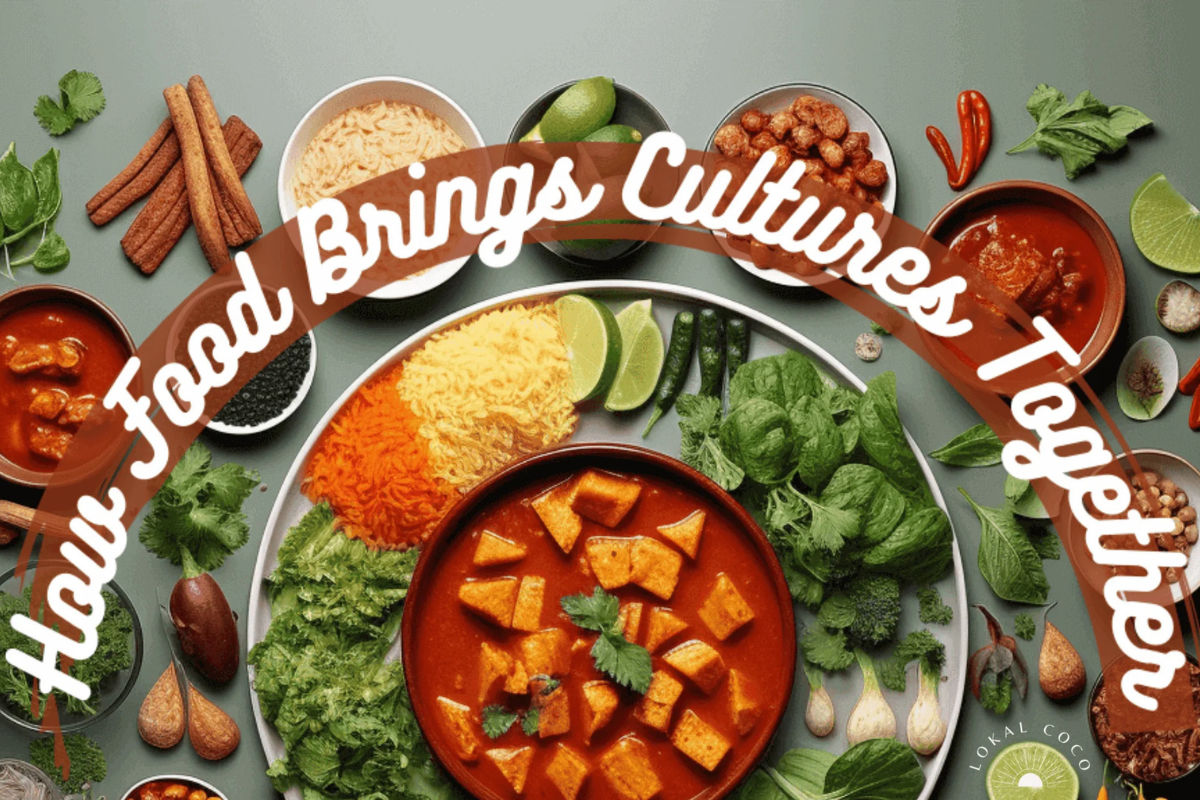
Food is one of the strongest ways people connect with a place. Long before someone visits a region, they may already know it through its flavors. Regional cuisine tells the story of history, migration, climate, and local traditions all on one plate.
Across the world, certain areas are famous not just for landmarks, but for the dishes that define them. These culinary identities are built over generations, shaped by the people who live there and the ingredients available to them. Over time, these food traditions become a source of pride and a symbol of cultural identity.
Let’s explore how regional cuisine develops and why it holds such an important place in both local communities and global food culture.
The Influence of History on Regional Cooking
Every region’s cuisine is influenced by its history. Trade routes, immigration, agriculture, and even wars have shaped what people cook and eat. When different cultures meet, their cooking styles blend, creating entirely new flavors and techniques.
For example, the introduction of new spices or cooking methods can transform simple local ingredients into signature dishes. Over generations, these meals become part of everyday life and special celebrations alike.
This connection between food and history means that traditional dishes often tell stories about the past — who lived there, where they came from, and how they adapted to their environment.
Climate and Geography Shape the Menu
The natural environment plays a big role in defining regional cuisine. Areas with access to oceans may feature seafood, while farming regions focus on grains, vegetables, and livestock. Spices, herbs, and cooking styles also develop based on climate.
Hot climates often inspire bold, spicy flavors, while colder areas may lean toward hearty, warming meals. Local availability of ingredients encourages creativity, leading to dishes that cannot easily be replicated elsewhere.
This deep connection to the land makes regional cuisine feel authentic and rooted in place.
Food as a Community Experience
Regional dishes are rarely just about eating alone. They are often tied to gatherings, celebrations, and family traditions. Festivals, holidays, and community events frequently center around shared meals.
These food traditions help strengthen social bonds. Preparing and sharing meals becomes a way to pass down knowledge, values, and culture from one generation to the next.
Cooking techniques, secret recipes, and family twists on classic dishes keep traditions alive while allowing room for personal expression.
The Role of Street Food and Local Eateries
Small restaurants, food trucks, and street vendors often play a major role in shaping a region’s culinary identity. These places experiment with flavors while keeping traditional roots intact.
Street food especially reflects the everyday tastes of local people. It is usually affordable, flavorful, and deeply connected to regional ingredients. Over time, these dishes gain recognition and sometimes become iconic.
Visitors often seek out these local spots to experience authentic flavors rather than tourist-focused menus.
Culinary Identity and Regional Pride
People often feel proud of the food from their region. Friendly debates about whose version of a dish is best are common and show how deeply food is tied to identity.
Local cuisine becomes part of how a region presents itself to the world. Tourism campaigns, food festivals, and cultural events frequently highlight signature dishes. These foods become symbols, representing not just taste but heritage and lifestyle.
For many travelers exploring bold flavors, smoked meats, and rich cultural influences, texas food has become a well-known example of how regional cuisine can reflect a diverse and deeply rooted culinary tradition.
How Modern Trends Influence Traditional Dishes
While tradition is important, regional cuisine is never completely fixed. New generations of chefs and home cooks experiment with modern techniques, global influences, and dietary preferences.
This evolution keeps regional cuisine alive and relevant. Classic dishes may be reimagined with healthier ingredients, plant-based options, or creative presentations while still honoring the original flavors.
Balancing innovation with tradition allows regional food culture to grow without losing its identity.
The Economic Impact of Regional Cuisine
Regional food does more than satisfy appetites — it supports local economies. Restaurants, markets, farms, and food producers all benefit when local cuisine becomes popular.
Food tourism has grown significantly in recent years. Many travelers plan trips around culinary experiences, cooking classes, and food festivals. This creates jobs and encourages the preservation of traditional cooking methods.
When people support local food businesses, they help keep regional traditions alive.
Passing Down Culinary Traditions
One of the most important aspects of regional cuisine is how it is passed down. Recipes are often shared within families, sometimes written, sometimes memorized. Techniques like slow cooking, seasoning blends, and preparation methods are taught through hands-on experience.
This personal transfer of knowledge gives food a deeper meaning. It becomes part of family identity and personal history.
Even as cities grow and lifestyles change, many families continue to prepare traditional meals during holidays and gatherings, keeping the connection to their roots strong.
The Role of Media and Social Platforms
Today, social media and food shows have made regional cuisine more visible than ever. Dishes that were once known only locally can now become global sensations.
This exposure helps smaller food businesses grow and introduces people to new culinary traditions. However, it also brings the challenge of maintaining authenticity as dishes are adapted for wider audiences.
When shared thoughtfully, media can celebrate cultural heritage while respecting its origins.
Preserving Authenticity in a Globalized World
As food becomes more global, preserving authentic regional flavors becomes even more important. Communities often work to protect traditional recipes and cooking styles from being lost or overly commercialized.
Food festivals, local cookbooks, and cultural organizations help document and promote traditional cuisine. These efforts ensure that future generations can experience the same flavors that shaped their heritage.
Authenticity doesn’t mean refusing change — it means honoring origins while allowing natural evolution.
Final Thoughts
Regional cuisine is a powerful reflection of culture, history, and community. It connects people to their roots while offering others a way to experience new traditions through taste.
From family kitchens to bustling food markets, regional dishes continue to bring people together. They tell stories, create memories, and build pride in local identity.
As long as people value heritage and shared experiences, regional cuisine will remain an essential part of how we understand both ourselves and the places we come from.
1118 people like this


About Premium Author
This post has been authored and published by one of our premium contributors, who are experts in their fields. They bring high-quality, well-researched content that adds significant value to our platform.