Server Hard Drives: The Backbone of Modern IT Infrastructure
- Harry Smith
- Technology
- 2025-07-14 19:19:25
- 304K
In today’s digital-first world, data is the currency that powers businesses, applications, and decision-making. From cloud platforms and enterprise applications to databases and virtual environments, every operation depends on reliable storage. At the center of this storage ecosystem lies one critical component: server hard drives. Unlike consumer storage devices, server hard disks are engineered for performance, durability, and nonstop workloads. As organizations continue to invest heavily in IT Hardware and Computer Hardware, understanding the role of server hard drives has become essential for building efficient and scalable infrastructures.
Server environments demand consistency, speed, and fault tolerance. A single failure can disrupt services, compromise data, and result in financial loss. This is why selecting the right server hard disk is not just a technical decision but a strategic one. This article explores server hard drives in depth, covering their types, features, performance considerations, and how they fit into modern IT systems.
What Are Server Hard Drives?
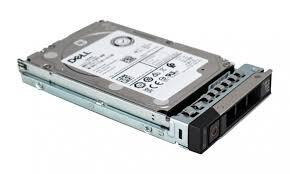
Server hard drives are specialized storage devices designed to operate in servers that run continuously, often 24/7, under heavy workloads. Unlike desktop hard drives, which are optimized for occasional use, server hard disks are built for reliability, endurance, and high data throughput. They are a core part of enterprise-grade Computer Hardware and are engineered to support multiple users, simultaneous read/write operations, and mission-critical applications.
These drives are commonly used in data centers, enterprise servers, cloud environments, and network-attached storage systems. Their design focuses on minimizing downtime, ensuring data integrity, and delivering consistent performance over long periods. As part of enterprise IT Hardware, server hard drives undergo rigorous testing to meet strict industry standards.
Types of Server Hard Drives
Server hard drives come in several types, each designed for specific workloads and performance needs. Understanding these types helps organizations choose the most suitable storage solution.
Traditional hard disk drives (HDDs) are still widely used in servers, particularly for large-capacity storage. These drives use spinning platters and magnetic storage technology. Enterprise-grade HDDs typically offer higher rotational speeds, such as 10,000 or 15,000 RPM, compared to consumer drives. They are ideal for archival data, backups, and applications where capacity is more important than speed.
Solid-state drives (SSDs) have become increasingly popular in server environments due to their superior speed and low latency. Server SSDs use flash memory and have no moving parts, making them more resistant to physical wear. They are commonly deployed for databases, virtualization, and high-performance computing tasks where fast data access is critical.
Another category includes hybrid drives and NVMe-based solutions. NVMe server hard disks leverage PCIe interfaces to deliver extremely high throughput and low latency. These drives are often used in advanced IT Hardware deployments such as AI workloads, real-time analytics, and high-frequency transaction systems.
Key Features of Server Hard Disks
Server hard disks are distinguished from consumer drives by several advanced features. One of the most important is enhanced durability. These drives are designed to withstand constant operation and high vibration levels typical in server racks. This makes them suitable for dense data center environments where multiple drives operate side by side.
Error correction and data integrity features are also more robust in server hard drives. Technologies such as error-correcting code (ECC) memory support and advanced firmware help prevent data corruption. In enterprise Computer Hardware systems, maintaining data accuracy is just as important as performance.
Another defining feature is hot-swap capability. Many server hard disks can be replaced without shutting down the server, reducing downtime and improving operational efficiency. This is especially valuable in enterprise IT Hardware environments where uptime is critical.
Performance Considerations in Server Environments
Performance is a major factor when selecting server hard drives. Metrics such as input/output operations per second (IOPS), throughput, and latency directly impact how well applications perform. High-performance server hard disks ensure faster data access, smoother multitasking, and better user experiences.
Workload type plays a significant role in determining performance needs. For example, transactional databases require low latency and high IOPS, making SSDs or NVMe drives the preferred choice. File servers and backup systems, on the other hand, may prioritize storage capacity over speed, making enterprise HDDs more cost-effective.
In modern IT Hardware architectures, server hard drives often work in conjunction with RAID configurations. RAID improves performance, redundancy, or both, depending on the setup. Choosing the right combination of server hard disks and RAID levels is essential for balancing speed, reliability, and cost.
Reliability and Longevity
Reliability is a defining characteristic of server hard drives. These drives are rated with higher mean time between failures (MTBF) compared to consumer drives. This rating reflects their ability to operate for extended periods without failure, which is critical in enterprise environments.
Server hard disks are also designed to handle heavy write workloads. Many enterprise applications involve constant data logging, updates, and transactions. A standard desktop drive may wear out quickly under such conditions, whereas server-grade Computer Hardware is built to sustain these demands.
Longevity is further enhanced by advanced cooling and power management features. Efficient thermal design reduces heat buildup, while power-loss protection mechanisms help prevent data corruption during unexpected outages. These features make server hard drives a dependable component of enterprise IT Hardware systems.
Capacity Planning and Scalability
As businesses grow, so do their data storage needs. Server hard drives play a crucial role in capacity planning and scalability. Choosing drives with the right balance of capacity and performance allows organizations to scale their infrastructure without frequent hardware replacements.
Modern server hard disks are available in a wide range of capacities, from a few hundred gigabytes to multiple terabytes per drive. This flexibility allows IT teams to design storage architectures that align with both current and future requirements. In scalable Computer Hardware environments, modular storage solutions make it easier to add or replace drives as needed.
Cloud and hybrid infrastructures have further emphasized the importance of scalable storage. Server hard drives remain a foundational element even in virtualized environments, supporting underlying storage pools and distributed systems.
Energy Efficiency and Cost Considerations
Energy efficiency is an increasingly important factor in IT Hardware decisions. Data centers consume significant amounts of power, and storage devices contribute to this consumption. Modern server hard drives are designed with energy-efficient technologies that reduce power usage without compromising performance.
While server hard disks typically cost more than consumer drives, their total cost of ownership is often lower. Their durability, reliability, and performance reduce the likelihood of failures and downtime, which can be far more expensive in the long run. Investing in enterprise-grade Computer Hardware is a strategic decision that pays off through operational stability and efficiency.
The Role of Server Hard Drives in Modern IT Hardware
Despite advancements in cloud computing and software-defined storage, server hard drives remain a cornerstone of IT infrastructure. They provide the physical foundation on which virtual environments, applications, and services are built. Even in highly virtualized systems, the performance of underlying server hard disks directly affects overall system efficiency.
As data volumes continue to grow, the importance of reliable and scalable storage will only increase. Server hard drives will continue to evolve, offering higher capacities, faster speeds, and improved energy efficiency. Their integration with advanced Computer Hardware and IT Hardware solutions ensures they remain relevant in the future of enterprise computing.
Conclusion
Server hard drives are more than just storage devices; they are a critical component of modern IT infrastructure. From supporting high-performance applications to ensuring data reliability and scalability, server hard disks play a vital role in enterprise environments. Understanding their features, types, and performance characteristics helps organizations make informed decisions that align with their operational goals.
As businesses continue to rely on data-driven operations, investing in the right server hard drives becomes a strategic necessity. By choosing enterprise-grade IT Hardware and Computer Hardware solutions, organizations can build resilient systems capable of meeting today’s demands and tomorrow’s challenges.
304 people like this


About Premium Author
This post has been authored and published by one of our premium contributors, who are experts in their fields. They bring high-quality, well-researched content that adds significant value to our platform.