The No-Fuss Guide to Old Car Removal Sydney – Get Paid Today
- Michael Douglas
- Automobile
- 2026-03-04 17:33:35
- 1151K
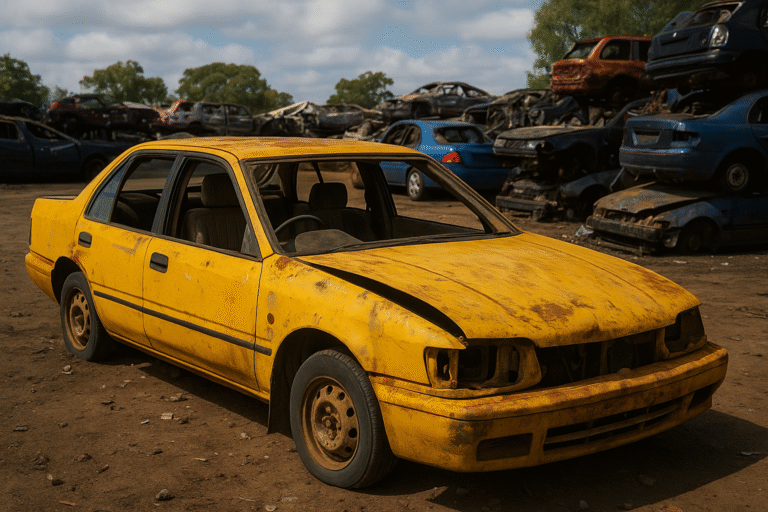
Most Australians have one — a tired old vehicle rusting in the driveway, parked up "temporarily" while life got busy. Before long, that temporary arrangement turns into two years, a flat battery, a registration that lapsed, and a neighbours' association letter. Sound familiar?
Here's what most people don't realise: that eyesore sitting on your property has genuine monetary value, and the process of converting it into cash is far simpler than you'd expect. The old car removal Sydney industry has evolved dramatically over the past decade, and today's operators make it embarrassingly easy to go from "rust bucket in the driveway" to cash in hand — often within the same business day. Getting paid today for a vehicle you no longer need isn't a marketing gimmick; it's the standard that reputable wreckers and removal companies deliver.
This guide breaks down everything you need to know — how the industry works, what your car is actually worth, how to avoid getting ripped off, and what happens to your vehicle after it leaves your property.
Why So Many Australians Are Sitting on Unwanted Vehicles
The numbers are striking. According to the Australian Bureau of Statistics, there are approximately 20 million registered motor vehicles across the country, but industry estimates suggest hundreds of thousands of unregistered, non-operational vehicles sit on private properties at any given time.
Why does this happen?
- Repair costs exceed vehicle value. A failed roadworthy inspection on a 15-year-old car can generate a repair quote that easily surpasses what the vehicle is worth. Owners park it up, intending to "sort it out later."
- Emotional attachment. That old Holden Commodore might have belonged to a family member, been a first car, or clocked up years of road trips. Letting go isn't purely a financial decision.
- Uncertainty about the process. Many people simply don't know how to get rid of a car properly — especially one that doesn't run.
- Fear of getting low-balled. Without knowing your vehicle's scrap value, it's easy to feel like you're walking into a negotiation blind.
Understanding these barriers is the first step to getting past them.
How the Car Removal Industry Actually Works
Car removal companies are fundamentally in the business of recycling. When your vehicle arrives at a licensed facility, it goes through a structured dismantling process:
- Fluid extraction — Oils, coolant, brake fluid, and refrigerants are safely drained and disposed of according to environmental regulations.
- Parts salvage — Reusable components (engines, gearboxes, alternators, doors, bonnets) are catalogued and sold through a second-hand parts market.
- Metal recycling — The remaining shell is crushed, shredded, and sold as scrap metal — primarily steel, aluminium, and copper.
This is why car removal companies pay you rather than charging you. The vehicle has commodity value even in its most beaten-up state. The scrap metal market is what underpins the whole transaction.
What Determines the Value of Your Old Car?
Not all old cars are created equal from a removal company's perspective. Here's what affects the offer you'll receive:
Weight and Metal Content
The heavier the vehicle, the more scrap metal it contains. A full-size SUV or a ute will typically fetch more than a small hatchback — simply because there's more raw material to recover.
Condition of Salvageable Parts
A 2010 Toyota Camry with a running engine and intact interior is worth considerably more than the same model that's been stripped, flood-damaged, or fire-affected. Working parts have a resale value that goes on top of the scrap rate.
Current Scrap Metal Prices
Scrap metal is a commodity, and its price fluctuates with global steel and aluminium markets. The same car might net you more during a high-demand period than during a downturn. Reputable companies stay transparent about this.
Make and Model Demand
Some vehicles have strong parts demand in the second-hand market. Japanese makes — Toyota, Honda, Nissan — tend to have high parts turnover because they're common on Australian roads and owners actively seek affordable repairs.
Location and Accessibility
If your vehicle is easily accessible for a tow truck, there's no fee. If it's in a garage, behind a locked gate, or embedded in difficult terrain, that may affect the logistics.
Step-by-Step: How to Sell Your Old Car for Cash
Step 1: Gather Your Vehicle's Details
Before contacting any removal company, have the following ready:
- Year, make, and model
- Approximate odometer reading (if known)
- Overall condition (does it run? Any significant damage?)
- Your location and access details
The more accurate the information you provide, the more accurate the quote you'll receive.
Step 2: Get Multiple Quotes
Don't settle for the first offer. Call two or three operators and compare. Most established Sydney car removal businesses offer instant quotes over the phone or via an online form. The process takes minutes, not hours.
Be wary of any company that is vague about pricing or won't give you a figure upfront. Transparency is a non-negotiable marker of a credible operator. Get a free online quote: https://www.cashforcarssydney.com.au/
Step 3: Confirm What's Included
A quality service will include:
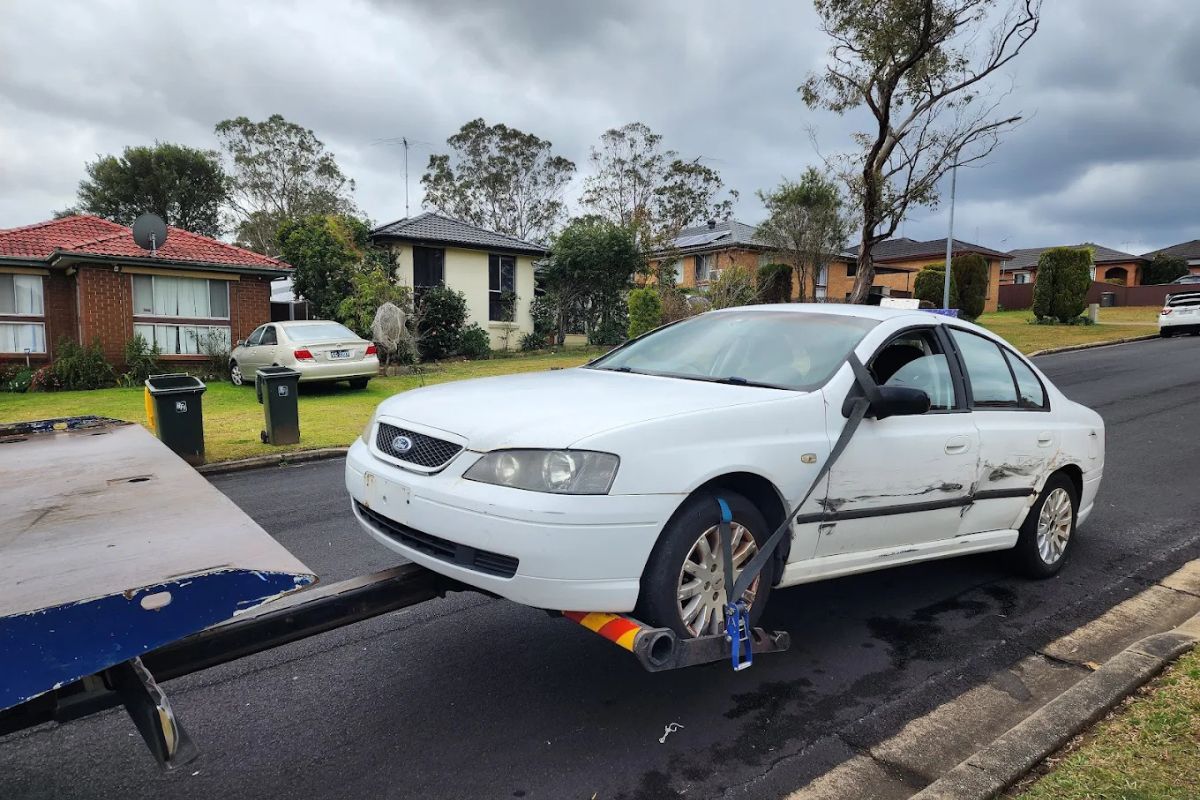
- Free towing — You should not be paying for the vehicle to be collected
- Same-day or next-day pickup — Most operators in the Sydney metro area can arrange this
- Cash payment on the spot — The driver brings the payment when they collect the car
If a company wants to charge for collection or delays payment until after processing, that's a red flag.
Step 4: Complete the Paperwork
You'll need to provide proof of ownership — typically your vehicle registration certificate. If you've lost it, a statutory declaration may suffice, but check with the company beforehand.
Crucially, you'll need to notify Service NSW that the vehicle has been sold or disposed of. This removes your liability for the car's registration. Don't skip this step.
Step 5: Hand Over the Keys and Get Paid
On collection day, the driver will inspect the vehicle to confirm it matches the description you provided, complete any required documentation, and pay you on the spot. That's it.
Common Mistakes That Cost Sellers Money
Accepting the First Offer Without Research
This is the most common mistake. The variance between low and high offers from different operators can be significant — sometimes hundreds of dollars on the same vehicle. Spend 20 minutes getting a few quotes.
Not Removing Personal Belongings
It sounds obvious, but it happens more often than you'd think. Do a thorough sweep of the glovebox, boot, under seats, and any storage compartments before the car leaves.
Forgetting to Cancel Insurance
Once the vehicle has been removed, contact your insurer to cancel any remaining coverage. If you've paid ahead, you're likely entitled to a partial refund.
Leaving the Number Plates On
In New South Wales, number plates belong to the owner, not the vehicle. Remove your plates before the car is collected and either surrender them to Service NSW or transfer them to a new vehicle.
What Happens to Your Car After Collection?
This question matters — both environmentally and from a liability standpoint.
Licensed vehicle recyclers in New South Wales operate under strict environmental guidelines. The Australian Government's National Environment Protection (Used Packaging Materials) Measure and related state regulations govern how end-of-life vehicles are processed.
Approximately 75 to 80 percent of a modern vehicle's materials are recyclable. Steel and iron make up the bulk, followed by aluminium, copper wiring, and glass. Tyres are processed separately under the Tyre Stewardship Australia scheme.
When you choose a licensed, reputable operator, you're not just making a financial transaction — you're contributing to a circular economy that keeps tens of thousands of tonnes of material out of landfill each year.
How to Spot a Reputable Car Removal Company
With any industry, quality varies. Here are the markers of a trustworthy operator:
- Upfront, itemised quotes — No hidden fees, no vague estimates
- Licensed and insured — They should be able to confirm their licensing with relevant NSW authorities
- Positive reviews — Check Google Reviews and Word of Mouth Online for independent feedback
- Professional communication — A company that answers promptly, clearly, and honestly from the first call is a good sign
- No-pressure approach — You should never feel rushed into accepting an offer
The Bottom Line
An old vehicle taking up space on your property isn't a burden — it's an untapped asset. The car removal market in Sydney is competitive, which works directly in your favour as a seller. With a bit of preparation and a few phone calls, most people can have their car removed and cash in their pocket within 24 hours.
The process is straightforward, the market is active, and the operators who do this well have made it genuinely hassle-free. There's no reason to let another season pass with that car sitting idle.
Do your homework, get a few quotes, confirm the details, and get it done.
1151 people like this


About Premium Author
This post has been authored and published by one of our premium contributors, who are experts in their fields. They bring high-quality, well-researched content that adds significant value to our platform.