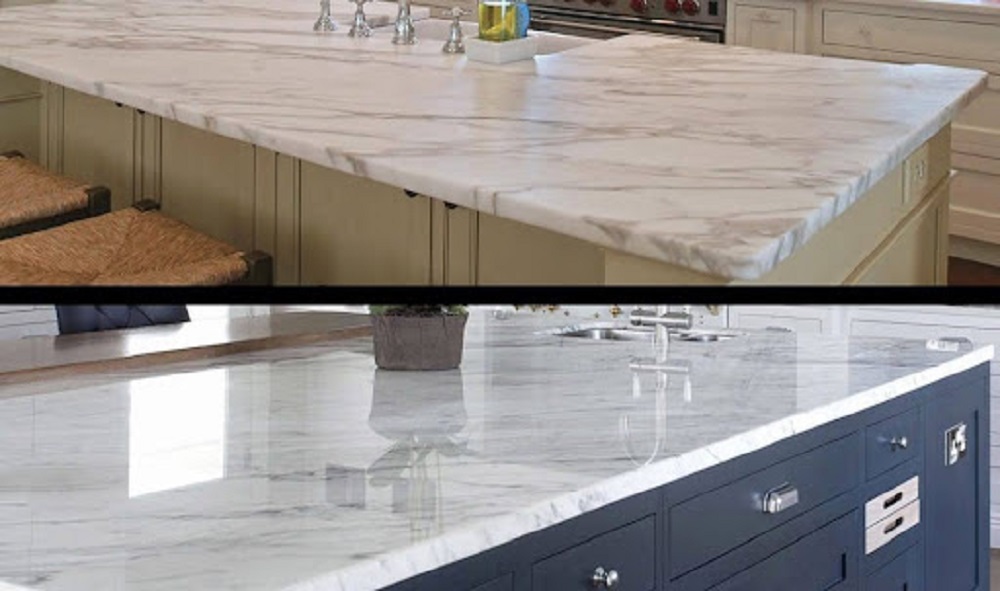
Which Material to use on Your New Counters Quartz or Quartzite
- MUhammad Husnain
- Home
- 2026-03-12 18:58:54
- 1168K
Choosing the right countertop material is one of the most important decisions when designing or remodeling a kitchen. Homeowners want a surface that is attractive, durable, and easy to maintain. Two of the most popular options today are quartz and quartzite. While their names sound similar, they are very different materials with unique characteristics. Homeowners in Dublin and Columbus, Ohio often compare these two surfaces when planning kitchen upgrades. Both options offer beauty and durability, but the right choice depends on your lifestyle, design preferences, and maintenance expectations. This guide explains the differences between quartz and quartzite, their advantages, and how to choose the best option for your home.
Understanding Quartz Countertops
Quartz countertops are engineered surfaces made from natural quartz crystals combined with resins and pigments. The result is a durable and consistent surface that offers both strength and style. Unlike natural stone slabs that vary in appearance, quartz countertops are manufactured to provide uniform patterns and colors. This makes them a favorite choice for modern kitchens that require a clean and consistent design. Many homeowners in Dublin and Columbus, Ohio choose quartz because it is easy to maintain and highly resistant to stains.
Key Benefits of Quartz
Quartz countertops offer several advantages that make them a popular option for kitchen renovations.
Low Maintenance
Quartz is non porous, which means it does not absorb liquids. This helps prevent stains from coffee, wine, oils, and sauces.
Consistent Appearance
Because quartz is engineered, it offers consistent colors and patterns. Homeowners can choose from a wide range of styles that match their kitchen design.
Strong and Durable
Quartz is highly durable and resistant to scratches, making it ideal for busy kitchens. Homeowners who are planning quartz countertop installation often appreciate the wide range of colors and patterns available. Professional installation ensures the surface is fitted perfectly and lasts for many years
Understanding Quartzite Countertops
Quartzite is a natural stone that forms when sandstone undergoes intense heat and pressure inside the earth. This process transforms the stone into a dense and extremely durable material. Unlike engineered quartz, quartzite slabs are completely natural. Each slab has unique veining and patterns that cannot be replicated by manufactured materials. In homes across Dublin and Columbus, Ohio, quartzite is often selected for its natural elegance and timeless appearance.
Benefits of Quartzite
Quartzite countertops offer several advantages for homeowners who want the beauty of natural stone.
Natural Beauty
Quartzite has stunning patterns and veining similar to marble but with greater durability.
Heat Resistance
Quartzite can handle high temperatures better than many engineered surfaces, making it ideal for kitchens where cooking is frequent.
Unique Patterns
Every quartzite slab is unique, giving kitchens a custom and luxurious appearance.
Quartz vs Quartzite Key Differences
Although the names sound similar, quartz and quartzite differ in several ways.
Material Composition
Quartz is engineered using crushed natural quartz and resin. Quartzite is a natural stone that forms through geological processes.
Appearance
Quartz offers consistent patterns and a wide range of colors. Quartzite provides natural variation with dramatic veining and stone textures.
Maintenance
Quartz requires minimal maintenance because it is non porous. Quartzite may require sealing to protect against stains.
Heat Resistance
Quartzite generally handles heat better than quartz. Quartz surfaces can be damaged if exposed to extremely hot cookware. Understanding these differences helps homeowners in Dublin and Columbus, Ohio select the material that best suits their kitchen needs.
Which Countertop Fits Your Lifestyle
When deciding between quartz and quartzite, it helps to think about how you use your kitchen
If you want a low maintenance surface that is easy to clean and available in many colors, quartz may be the better option. If you love natural stone and want a unique countertop with distinctive patterns, quartzite may be the ideal choice. Both materials offer excellent durability and visual appeal, making them strong investments for modern homes.
Design Possibilities for Modern Kitchens
Both quartz and quartzite offer impressive design flexibility
Quartz works well in contemporary kitchens with sleek cabinets and modern appliances. It can mimic marble, concrete, or natural stone while maintaining consistent patterns. Quartzite complements traditional and luxury kitchens because of its natural veining and elegant stone appearance. Interior designers in Dublin and Columbus, Ohio often recommend choosing countertops that complement cabinetry, flooring, and backsplash materials.
Durability and Longevity
Durability is a key factor when selecting countertops
Quartz surfaces resist scratches and stains, making them ideal for families and busy kitchens. Because they are engineered, they also maintain their color and finish for many years. Quartzite is extremely strong and can last for decades when properly maintained. Its natural hardness makes it resistant to scratching and wear. Both options are long lasting choices when installed professionally.
Professional Installation Matters
Proper installation is essential for achieving the best results with natural or engineered stone countertops. Quartzite slabs are heavy and require expert cutting, fitting, and sealing to ensure durability and safety. Homeowners planning quartzite countertop installation often work with experienced stone specialists who understand the unique properties of natural stone. Professional installers ensure precise measurements, seamless edges, and a perfect fit that enhances the beauty of the kitchen.
Cost Considerations
Cost is another important factor when comparing quartz and quartzite. Quartz countertops are often priced based on brand, color, and thickness. They typically offer predictable pricing due to their engineered production. Quartzite pricing can vary depending on the rarity of the stone and the complexity of its pattern. While both materials are considered premium countertop choices, their durability and visual appeal make them worthwhile investments.
Conclusion
Quartz and quartzite are both excellent countertop materials that can transform the appearance and functionality of a kitchen. Quartz offers low maintenance, consistent design, and strong durability. Quartzite provides natural beauty, unique patterns, and impressive heat resistance. Homeowners in Dublin and Columbus, Ohio often choose between these materials based on their design goals and lifestyle needs. If you want a modern surface that requires minimal care, quartz may be the perfect choice. If you prefer the elegance of natural stone with one of a kind patterns, quartzite could be the better option. With professional installation and the right design planning, either material can create a beautiful and long lasting kitchen centerpiece.
FAQs
What is the main difference between quartz and quartzite countertops
Quartz is an engineered material made from natural quartz and resin, while quartzite is a natural stone formed from sandstone through heat and pressure.
Are quartz countertops better for busy kitchens
Quartz is often preferred for busy kitchens because it is non porous and resistant to stains and bacteria.
Does quartzite require maintenance
Yes, quartzite usually requires periodic sealing to protect against stains and maintain its natural beauty.
Which countertop material lasts longer
Both quartz and quartzite are highly durable materials that can last for decades when properly installed and maintained.
Which option is more popular in modern homes
Quartz is commonly used in modern homes due to its low maintenance and consistent appearance, while quartzite is popular among homeowners who prefer natural stone aesthetics.
1168 people like this



About Premium Author
This post has been authored and published by one of our premium contributors, who are experts in their fields. They bring high-quality, well-researched content that adds significant value to our platform.