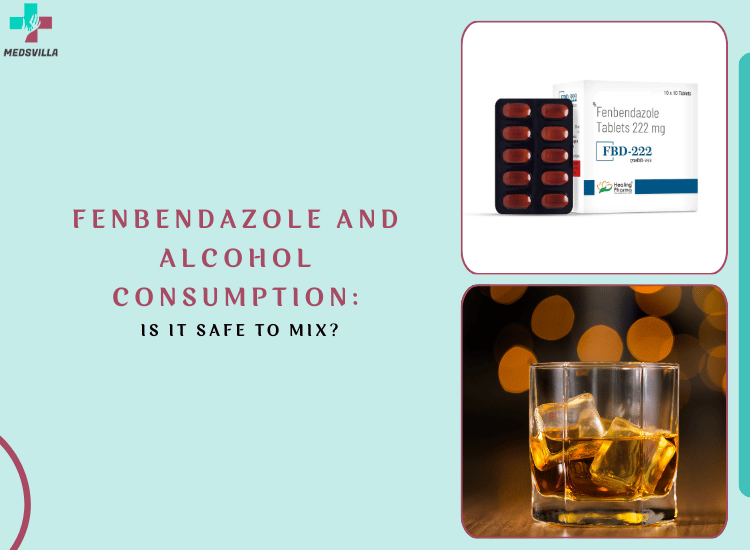
Drinking Alcohol During Fenbendazole Treatment: Is It Safe?
- john levish
- Health
- 2026-06-17 14:25:32
- 1309K
Fenbendazole is a well-known antiparasitic medication commonly used in veterinary medicine to treat a variety of worm infections in animals. In recent years, interest in fenbendazole has expanded beyond traditional veterinary applications, leading many people to search for information about its safety, potential side effects, and interactions with other substances. One of the most common questions is whether drinking alcohol during treatment is safe.
If you're wondering about the relationship between fenbendazole and alcohol, this guide explains what is currently known, the possible risks involved, and important precautions to consider while using fenbendazole.
What Is Fenbendazole?
Fenbendazole belongs to a class of drugs known as benzimidazole anthelmintics. It works by disrupting the metabolism of parasites, preventing them from absorbing nutrients and reproducing effectively. This action ultimately leads to the elimination of worms and other parasites from the body. As consumer interest continues to grow, some manufacturers now offer combination products such as fenbendazole ivermectin capsules, which combine two antiparasitic agents into a single formulation.
Fenbendazole has been used for decades in veterinary settings due to its effectiveness against a broad range of intestinal parasites. It is commonly available in powder, liquid, tablet, and capsule forms.
Understanding Fenbendazole and Alcohol
Currently, there is limited scientific research specifically examining interactions between fenbendazole and alcohol. Unlike certain medications that clearly state alcohol should be avoided, fenbendazole does not have a well-established interaction profile regarding alcoholic beverages.
However, the absence of documented interactions does not automatically mean that consuming alcohol during treatment is completely safe.
Medical professionals generally advise caution whenever alcohol is consumed alongside medications because alcohol can influence how the body processes drugs and may increase the likelihood of side effects.
Potential Risks of Drinking Alcohol During Fenbendazole Treatment
Increased Liver Stress
The liver plays a major role in processing both medications and alcohol. While fenbendazole is generally considered well tolerated, consuming alcohol while taking any medication may increase the liver's workload.
Individuals with:
- Liver disease
- Fatty liver conditions
- Hepatitis
- Heavy alcohol use history
should be particularly cautious and seek medical advice before combining alcohol with fenbendazole.
Greater Risk of Digestive Issues
Some individuals experience mild digestive side effects while taking fenbendazole, including:
- Nausea
- Stomach cramps
- Diarrhea
- Indigestion
- Loss of appetite
Alcohol itself can irritate the digestive system and may worsen these symptoms. Drinking during treatment could make gastrointestinal discomfort more noticeable.
Dehydration Concerns
Alcohol can contribute to dehydration by increasing fluid loss. Proper hydration is important during any medication regimen, especially when treating parasitic infections.
Combining alcohol with fenbendazole may increase the risk of:
- Fatigue
- Headaches
- Dizziness
- Reduced physical performance
Staying hydrated becomes particularly important if alcohol consumption cannot be avoided.
Impact on Recovery
If fenbendazole is being used as part of a parasite treatment protocol, the body's immune system and overall health play important roles in recovery. Excessive alcohol intake can negatively affect:
- Sleep quality
- Immune response
- Nutrient absorption
- Energy levels
These factors may reduce the body's ability to recover efficiently during treatment.
Is Moderate Alcohol Consumption Acceptable?
For healthy adults without liver problems or other medical conditions, occasional moderate alcohol consumption may not cause significant complications while taking fenbendazole.
However, moderation is key.
General recommendations include:
- Avoid binge drinking.
- Drink plenty of water.
- Monitor for unusual symptoms.
- Follow prescribed dosing instructions.
- Consult a healthcare provider if concerns arise.
Many healthcare professionals recommend avoiding alcohol entirely during treatment as a precautionary measure, particularly if treatment lasts only a few days.
Combination Products and Additional Considerations
Interest in combination antiparasitic therapies has increased significantly. One frequently searched option is fenbendazole ivermectin capsules, which combine fenbendazole with ivermectin.
Because combination products contain multiple active ingredients, understanding potential interactions becomes even more important. While each ingredient may have its own safety profile, combining them with alcohol could potentially increase the risk of side effects or place additional stress on the body.
Before using combination formulations, individuals should carefully review product information and consult a healthcare professional regarding appropriate use.
Ivermectin and Fenbendazole Pills for Humans
Searches for ivermectin and fenbendazole pills for humans have become increasingly common online. However, consumers should understand that product approval and availability vary between countries and regulatory authorities.
Before purchasing or using any antiparasitic product intended for human consumption, it is important to:
- Verify product quality.
- Purchase from reputable suppliers.
- Follow medical guidance.
- Confirm regulatory approval where applicable.
Using medications without professional supervision may result in incorrect dosing, unexpected side effects, or reduced effectiveness.
Factors That Influence Safety
Whether alcohol consumption poses a significant concern during fenbendazole treatment depends on several factors.
Treatment Duration
Short treatment courses may involve fewer concerns compared to long-term or repeated use. Extended treatment periods generally require greater attention to liver health and overall wellness.
Dosage Levels
Higher doses may increase the likelihood of side effects. Alcohol could potentially intensify symptoms such as nausea or digestive discomfort.
Personal Health Status
Age, body weight, liver function, existing medical conditions, and other medications can all affect how the body responds to fenbendazole and alcohol.
Concurrent Medications
Even if fenbendazole itself does not strongly interact with alcohol, other medications taken simultaneously might. Always consider your complete medication regimen when evaluating alcohol safety.
Fenbendazole and Ivermectin Tablets Price
Consumers frequently compare fenbendazole and ivermectin tablets price options when researching antiparasitic treatments. Pricing can vary considerably depending on several factors:
- Brand reputation
- Manufacturing standards
- Tablet strength
- Package size
- Supplier location
- Product formulation
While affordability is important, selecting products from trusted manufacturers should remain the top priority. Low-cost products from unreliable sources may not meet quality or safety standards.
Tips for Safe Fenbendazole Use
If you are taking fenbendazole, consider the following best practices:
Follow Recommended Dosages
Always use the medication according to manufacturer instructions or professional medical advice.
Stay Hydrated
Drinking adequate water can help support normal bodily functions and reduce dehydration risks.
Eat Nutritious Meals
Proper nutrition supports immune function and overall recovery during treatment.
Monitor Your Symptoms
Pay attention to any unusual reactions and seek medical advice if symptoms become severe or persistent.
Limit Alcohol Consumption
Reducing or avoiding alcohol remains the safest strategy during treatment.
Consult a Healthcare Professional
Professional guidance is especially important for individuals with chronic health conditions or those taking multiple medications.
Conclusion
Many people researching fenbendazole and alcohol want to know whether drinking during treatment is safe. While there is currently no strong evidence of a major interaction between fenbendazole and alcohol, caution is still recommended. Alcohol may increase digestive discomfort, contribute to dehydration, and place additional strain on the liver.
For the safest treatment experience, many healthcare professionals recommend limiting or avoiding alcohol until therapy is complete. Individuals considering fenbendazole ivermectin capsules, researching ivermectin and fenbendazole pills for humans, or comparing fenbendazole and ivermectin tablets price options should prioritize quality products and seek professional medical guidance before beginning any treatment regimen.
By staying informed and making responsible choices, you can support both the effectiveness of treatment and your overall health.
1309 people like this



About Premium Author
This post has been authored and published by one of our premium contributors, who are experts in their fields. They bring high-quality, well-researched content that adds significant value to our platform.